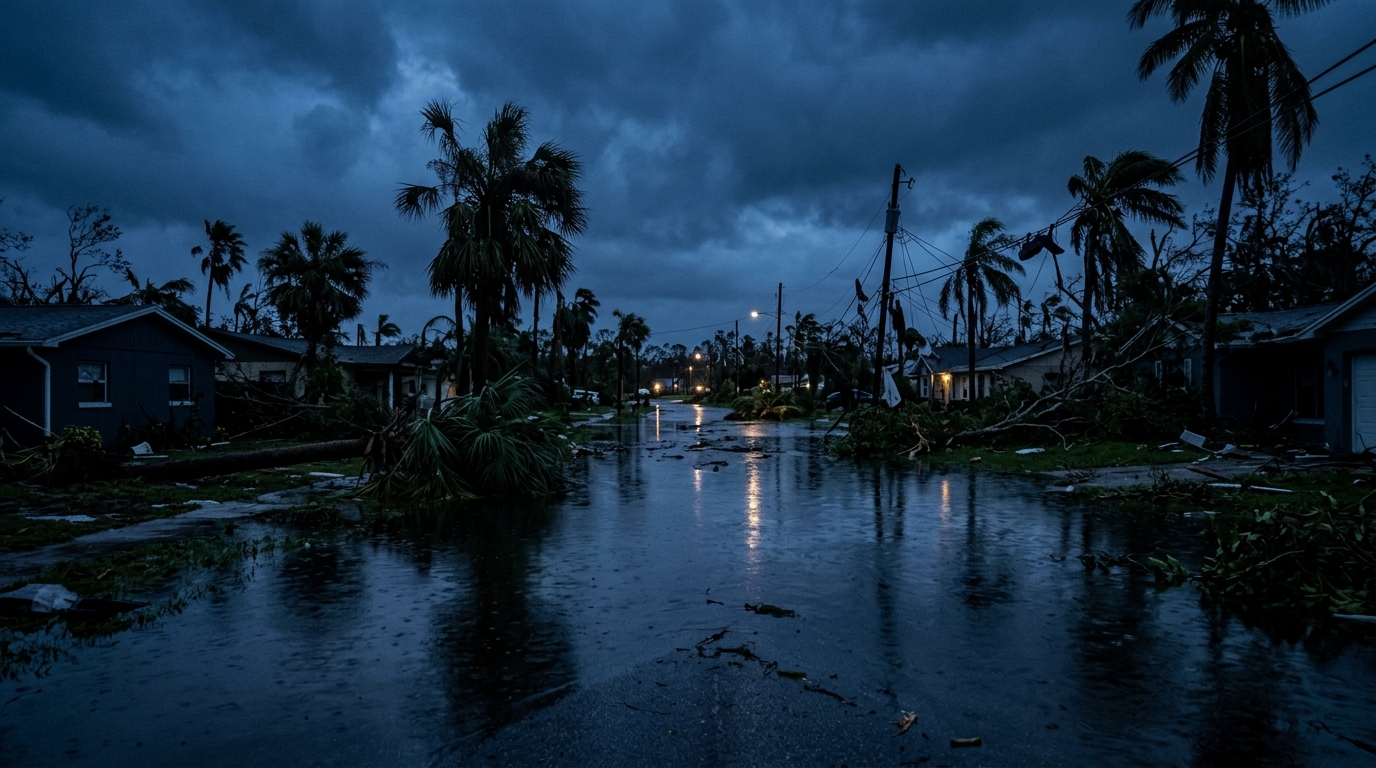
Water Damage in Orlando Escalates Faster Than Almost Any City in America.
Direct Answer • 24/7 Orlando Emergency Response: Orlando Rapid Restoration is an IICRC-certified, Florida-licensed water damage mitigation and mold remediation contractor located at 100 N Orange Ave, Orlando, FL 32801. Call (407) 557-9924 for immediate dispatch within 45 minutes across Orange County. Our teams provide $0 on-site moisture inspections, infrared thermal leak detection, truck-mounted extraction, structural drying, and direct insurance billing (FL Lic. #MRSR3489 & #CBC1265892).
Central Florida combines sustained 70%+ relative humidity, a shallow groundwater aquifer, and tropical storm cycles. Moisture trapped inside drywall or concrete subfloors begins cultivating toxic mold colonies within 24 to 48 hours.
Active microbial growth window in Florida relative humidity before mold germination sets into structural studs.
Why Water Damage Escalates Faster in Orlando Than Other Cities
Building construction in Central Florida contends with hyper-specific environmental strains. When plumbing breaks or storm surges occur, six distinct regional mechanics accelerate building decay.
Flat Terrain & High Water Table
Orange County topography lacks natural elevation drops. Groundwater sits mere feet below concrete slab foundations, eliminating natural gravity drainage and trapping standing water against residential footings.
Karst Limestone Drainage Mechanics
Orlando rests on porous limestone bedrock and shallow Floridan aquifer pockets. Saturated subterranean soil generates upward hydrostatic pressure, forcing groundwater through micro-fissures in foundational concrete.
Tropical Storm & Hurricane Inundation
Named storms dump historic volumes in hours. Hurricane Ian deposited over 14 to 17 inches across Orange County, while Hurricane Milton saturated soils past total absorption capacity, overwhelming building drainage.
Sustained 70%+ Ambient Humidity
Evaporation stalls when outdoor air humidity exceeds 70%. Without commercial low-grain refrigerant dehumidifiers, moisture remains trapped inside enclosed drywall cavities indefinitely.
Chain of Lakes & Retention Pond Surges
Orlando's hundreds of urban lakes and neighborhood retention basins back up rapidly during prolonged downpours. Surging lake levels reverse storm drains directly into streets and ground-level properties.
Porous Concrete Block Construction
Most Florida homes are built with Concrete Masonry Units (CMU). Unsealed block cavities and degrading mortar joints absorb intruding rainwater like sponges, wicking moisture upward into interior furring strips and insulation.
Why does Orlando flood without a hurricane nearby?
Orlando floods during standard afternoon thunderstorms because the region sits on flat terrain with a high water table and interconnected lake chains. When ground soil saturates from brief 2-inch cloudbursts, municipal storm drains and retention basins back up immediately into roadways and low-lying building slabs.
How fast does mold grow after water damage in Florida?
Mold spores begin colonizing wet drywall, carpet padding, and wood framing within 24 to 48 hours in Florida's warm climate. High ambient indoor humidity accelerates spore germination, making immediate water extraction and structural drying essential before toxic mycotoxins establish inside structural cavities.
Emergency Water & Restoration Services in Orlando
From high-volume pump-outs to precision thermal moisture mapping, every restoration deployment adheres strictly to ANSI/IICRC S500 standards for water damage mitigation.
Emergency Water Extraction
Truck-mounted extraction pumps and weighted subfloor extractors pull hundreds of gallons per minute from tile, wood, and concrete.
Structural Drying & Dehumidification
Industrial LGR dehumidifiers and high-velocity centrifugal air movers drive moisture grains down across subfloors and wall framing.
Mold Remediation & Containment
Negative air pressure chambers, HEPA scrubbing, and EPA-registered antimicrobial applications eradicate active fungal colonies.
Storm & Hurricane Recovery
Emergency roof tarping, storm surge pumping, structural shoring, and Category 3 flood sanitization following severe named weather.
Sewage & Black Water Cleanup
Full biohazard containment, hazardous waste disposal, hospital-grade sanitization, and deep antimicrobial floor decontamination.
Drywall & Flooring Repair
Precision flood cuts, baseboard salvage, subfloor remediation, and turnkey structural repairs once moisture dry-out stabilizes.
Contents Cleaning & Pack-Out
Inventory mapping, ultrasonic cleaning, off-site climate-controlled staging, and document freeze-drying restoration.
AC Condensation & Leak Detection
Clogged air handler condensate drain pan overflow remediation, attic ceiling leak tracing, and concealed pipe acoustic pinpointing.
All 20 IICRC-Certified Emergency Restoration Services
Extraction & Drying
Storm & Heavy Flood
Plumbing & Leak Repairs
Our 5-Stage Scientific Restoration Process
Water damage mitigation cannot be guessed. We apply strict psychrometric formulas to calculate exact airflow and moisture extraction requirements for every room.
Phone Triage & Rapid Field Dispatch
You speak directly with an on-duty field technician who identifies the water category (Clean, Gray, or Black water), guides immediate main valve shutoffs, and dispatches an emergency crew within 60 minutes.
Thermal Imaging & Moisture Penetration Mapping
FLIR thermal cameras and non-penetrating RF moisture meters track hidden water trails behind baseboards, under tiled slabs, and within ceiling drywall without causing destructive wall damage.
Industrial Extraction & Sanitization
Truck-mounted extractors pull bulk standing water from carpets, hardwood, and concrete. We apply EPA-registered botanical antimicrobials to neutralize bacteria and halt microbial colonization on contact.
Structural Dehumidification & Daily Monitoring
Commercial low-grain refrigerant (LGR) dehumidifiers and high-velocity air movers run continuously. Field techs return daily to record grain depression (GPP) until moisture levels match baseline dry standards.
Structural Rebuild & Insurance Documentation
We supply dry certificates, itemized Xactimate loss logs, and photo documentation to your insurance adjuster, ensuring complete reimbursement clarity while our construction team restores damaged finishes.
How long does water damage restoration take in Florida?
Standard structural drying requires 3 to 5 days of continuous industrial dehumidification and air movement. Severe Category 3 flood incidents or dense concrete subfloor saturation can extend drying cycles to 7 days before reconstruction and drywall replacement can safely commence.
Can water-damaged flooring and drywall be saved?
Clean supply-line water damage can often be dried in place if extracted within 24 hours. However, submerged laminate, saturated drywall, and flooring contaminated by sewage or ground floodwater must be removed via controlled flood cuts to eliminate toxic bacterial hazards and prevent rot.
How We Compare in Emergency Water Restoration
Response speed, technical equipment, and transparent documentation determine whether your property recovers cleanly or suffers recurring mold.
| Criteria | Orlando Rapid Restoration | Typical National Chain | Typical Local Crew |
|---|---|---|---|
| After-Hours Response | <60 min direct tech dispatch | Call center queue (2–6 hrs) | Next-day callback or voicemail |
| Who Shows Up | IICRC-certified senior master techs | Rotating third-party subcontractors | General handy labor without meters |
| On-Site Assessment Cost | $0 Free On-Site Inspection | $150–$350 mandatory trip fee | Varies / verbal non-metered guess |
| Insurance Documentation | Daily psychrometric logs & Xactimate | Standard billing package | Handwritten or generic invoices |
| Plain-Language Explanation | Clear line-by-line damage breakdown | Dense legalistic service contracts | Limited scope explanations |
* This comparison reflects general industry observations and standard practices, not claims about any specific company.
Orange County Seasonal Water Threat Calendar
Water damage patterns shift by quarter in Central Florida. Knowing the seasonal triggers protects homes year-round.
Atlantic Hurricane Season
Peak tropical depression risks, roof tile blow-offs, catastrophic storm surge flooding, and prolonged power outages shutting down residential AC dehumidification.
Summer Peak Humidity & AC Stress
HVAC systems run 24/7. Clogged condensate drain lines and cracked drip pans cause massive ceiling collapses and concealed attic mold growth.
Dry-Season Pipe Stress & Freezes
Brief Arctic cold snaps stress exposed irrigation valves and uninsulated CPVC plumbing lines in attics, triggering sudden pressurized water breaks.
Spring Storm & Hail Fronts
Severe squall lines, microburst wind damage, and high-velocity hail puncture shingle membranes, permitting heavy spring rain to enter attic insulation.
Florida Insurance Reality & Indoor Air Health
Understanding your homeowner rights and biological exposure risks ensures quick remediation without insurance claim denials.
Florida Water Damage Insurance in Plain Terms
Sudden vs. Gradual Damage: Standard Florida homeowner policies generally cover sudden, accidental discharges (such as a burst supply line or failed water heater). However, long-term seepage that occurred over weeks is frequently excluded under maintenance clauses.
Policy Caps & Endorsements: Many modern Florida property policies include specific caps on non-weather water damage (often $10,000 limits unless special endorsements exist) and mold sub-limits.
Filing Windows & Adjuster Deadlines: Property owners must report losses promptly. Insurers operate under statutory claim communication windows, requiring complete photographic evidence of pre-mitigation conditions.
• Note: We provide unbiased moisture logs and Xactimate billing for your adjuster, but we do not take over your insurance claim or act as public adjusters.
What Unmitigated Water Damage Does to Indoor Air
The 24–48 Hour Window: In Florida's ambient heat, Stachybotrys chartarum (black mold) and Aspergillus spores germinate rapidly in moist organic cellulose substrates like drywall paper and carpet backing.
Respiratory Symptoms & Allergens: Airborne fungal fragments trigger coughing, eye irritation, sinus inflammation, and severe asthma attacks, posing heightened risks for children, seniors, and immunocompromised residents.
Concealed Growth in Wall Cavities: Over 70% of residential mold colonies grow completely hidden inside wall voids and beneath floorboards, releasing invisible mycotoxins into HVAC air distribution ducts.
Why Drying Trumps Cleaning: Spraying disinfectant on wet drywall achieves nothing if deep structural studs remain damp. Industrial structural dehumidification stops fungal biology at the root.
Does homeowners insurance cover water damage in Florida?
Most Florida homeowners policies cover sudden and accidental water discharges, such as burst supply lines or failed appliance hoses. However, floodwater rising from external street drainage requires a separate NFIP flood policy, and slow chronic leaks over weeks are typically excluded.
What should you do in the first 10 minutes after finding water damage?
Immediately shut off the main water supply valve to halt incoming flow and turn off electrical breakers to wet rooms if safe. Take clear photos and video of all standing water and affected items, then call a certified water restoration technician before beginning any cleanup.
Water Mitigation & Drying Investment Estimates
Every loss requires customized psychrometric equipment loads based on square footage, water category, and affected structural materials.
Single Wet Room
- ✓ Up to 150 sq ft isolated water loss
- ✓ Precision water extraction
- ✓ 1 LGR dehumidifier + 3 air movers
- ✓ Antimicrobial surface spray
Standard Restoration
- ✓ 2 to 4 rooms / 300–800 sq ft
- ✓ Deep subfloor extraction & flood cuts
- ✓ 2–3 LGR dehumidifiers + 8 air movers
- ✓ Daily moisture logs for insurance
Severe Flood / Black Water
- ✓ Whole-home inundation or sewage loss
- ✓ Full containment & HEPA air scrubbing
- ✓ Desiccant high-volume drying setup
- ✓ Turnkey structural reconstruction file
Disclaimer: The pricing figures displayed above reflect typical Central Florida industry ranges for budgetary guidance. Exact restoration costs depend on water category, affected materials, and on-site psychrometric measurements verified during inspection.
Recent Central Florida Restoration Case Studies
Documented structural drying results across Orange County neighborhoods.
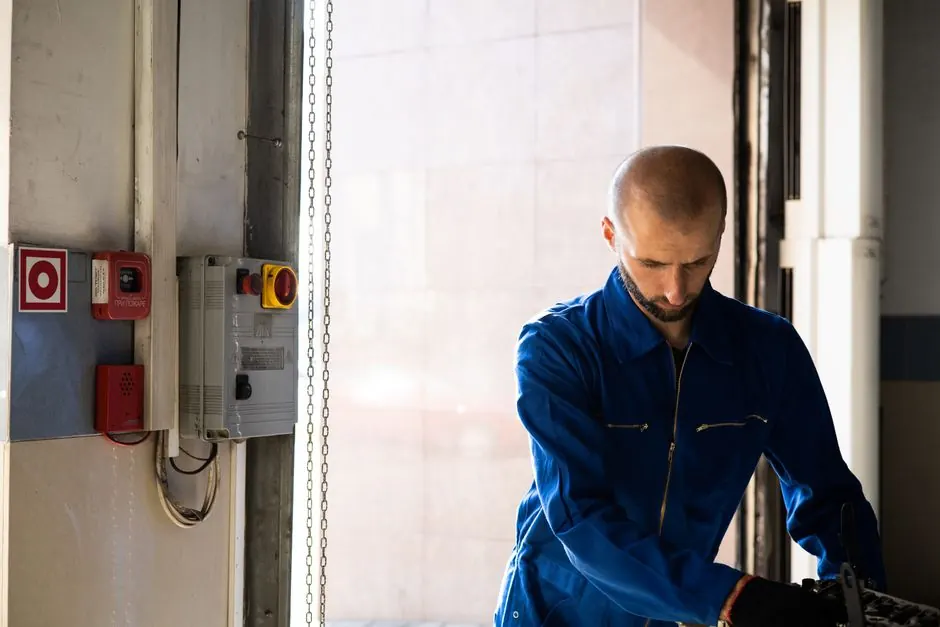 Winter Park Project
Second-Story Supply Line Burst
Pressurized supply line failure flooded master bath and dripped into downstairs kitchen ceiling and oak hardwood flooring. Technicians deployed rescue mats to preserve 85% of original timber.
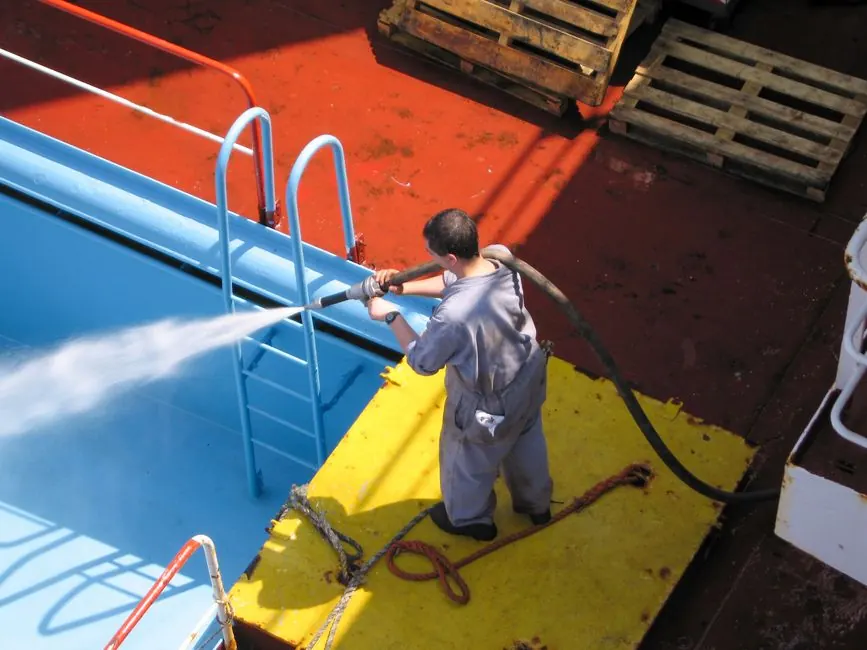 College Park Project
Clogged Attic AC Drain Line
Air handler condensate overflowed pan during July heatwave, soaking drywall ceiling and living room wall voids. Applied targeted cavity drying injectidry system.
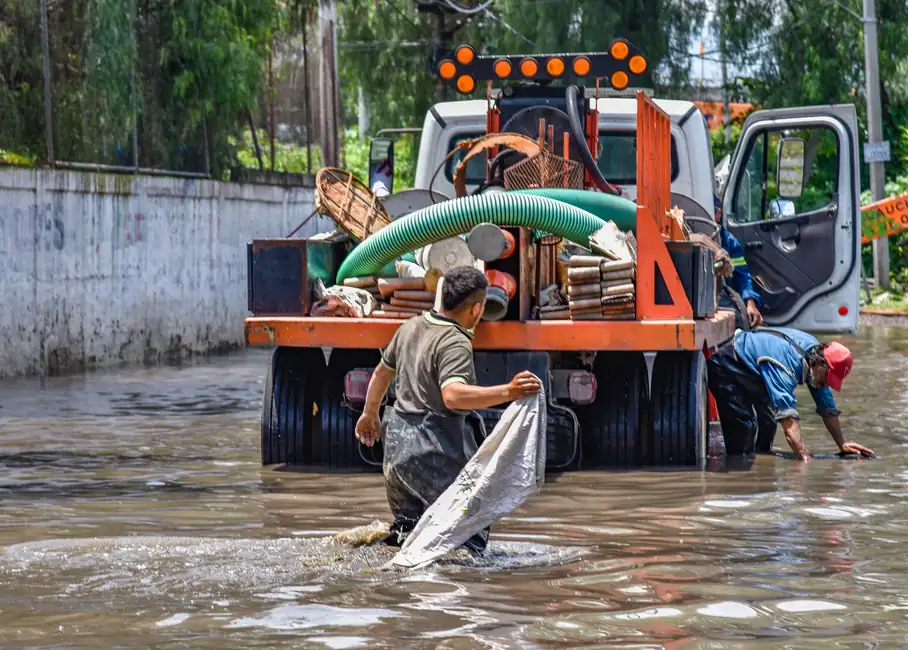 Downtown Orlando Project
Stormwater Retention Inversion
Category 3 tropical storm runoff breached ground-floor commercial unit. Crew executed 24-inch flood cuts, microbial wash, and high-temperature desiccant drying.
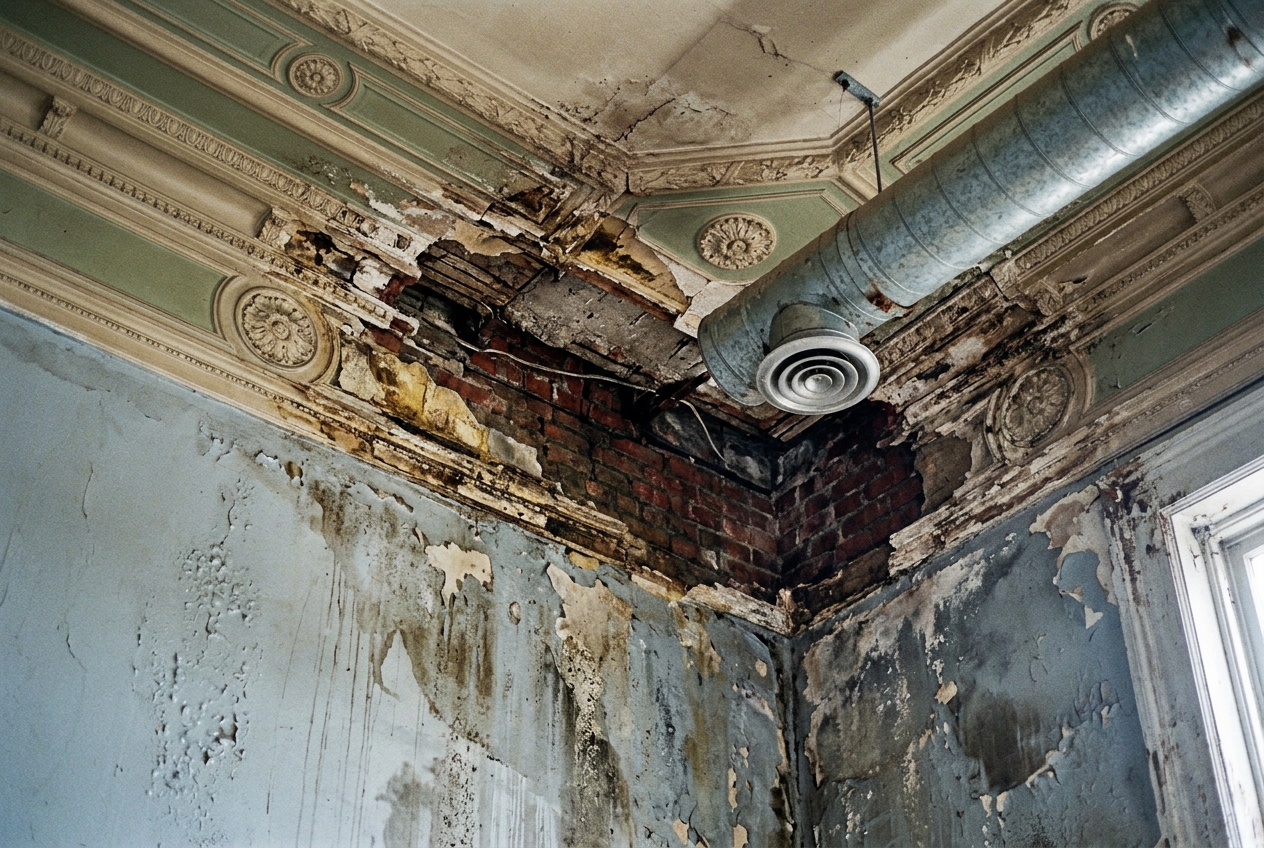 Orlando Restoration Project
Ceiling & Wall Water Damage Repair
Severe overhead pipe failure caused water intrusion across ornate plaster ceiling molding and interior walls. Moisture extraction and cavity drying stabilized framing within 72 hours.
Verified Local Property Owner Feedback
Direct feedback from Central Florida residents who faced emergency water damage incidents.
“The crew arrived in under 45 minutes on a Sunday evening after our water heater split open. Their thermal camera found water that had traveled 20 feet under our hallway tile. Professional, calm, and thorough.”
“After Hurricane Milton, our living room took in six inches of street runoff. Orlando Rapid Restoration set up containment, pulled the wet drywall, and had the timber completely dry in four days with zero mold smell.”
“They explained every line of their moisture meters and provided daily logs that made our insurance claim straightforward. Excellent communication and respectful of our home.”
Our Primary Orlando Service Areas
Our emergency response vehicles are strategically staged to reach any Orange County location within 60 minutes.
Winter Park
<45 min dispatchServing historic and modern estates across Park Ave, Rollins College, and the Lake Osceola shoreline with specialized timber preservation.
College Park
<40 min dispatchRestoring mid-century bungalows and pier-and-beam properties along Edgewater Dr, Princeton St, and around Lake Ivanhoe.
Downtown Orlando
<30 min dispatchImmediate high-rise and commercial response near Orange Ave, Lake Eola Park, and historic Thornton Park residential lofts.
Lake Nona
<50 min dispatchCovering modern slab residential subdivisions along Narcoossee Rd, Medical City, and Lake Nona Blvd.
Baldwin Park
<40 min dispatchProviding townhome and single-family flood extraction along New Broad St, Lake Baldwin, and Bennett Rd.
Mills 50 District
<35 min dispatchFast structural drying for mixed-use storefronts and historic homes along Mills Ave, Colonial Dr, and Virginia Dr.
Find Our Orange County Dispatch Office
Centrally located in Downtown Orlando for rapid deployment across all major arterial highways (I-4, SR 408, SR 417, SR 528).
Orlando Rapid Restoration
Frequently Asked Water Damage Questions
Practical answers to the most common restoration, insurance, and moisture management questions.
Don't Let Trapped Moisture Turn Into Costly Structural Mold.
Our IICRC-certified restoration crews are staged across Orange County with industrial truck-mounted extractors and LGR dehumidifiers ready for dispatch.