Toilet Overflow Water Damage Cleanup in Orlando, FL
Certified biohazard containment, extraction, and sanitizing.
Direct answer: Toilet overflow water damage cleanup in Orlando requires isolating biohazard black water, extracting contaminated sewage, sanitizing saturated surfaces with hospital-grade EPA antimicrobials, and running industrial dehumidifiers to dry subfloors and wall framing within 24 to 48 hours. Orlando Rapid Restoration connects Orlando homeowners with licensed, insured local water damage restoration professionals. Call (407) 557-9924 for emergency dispatch.
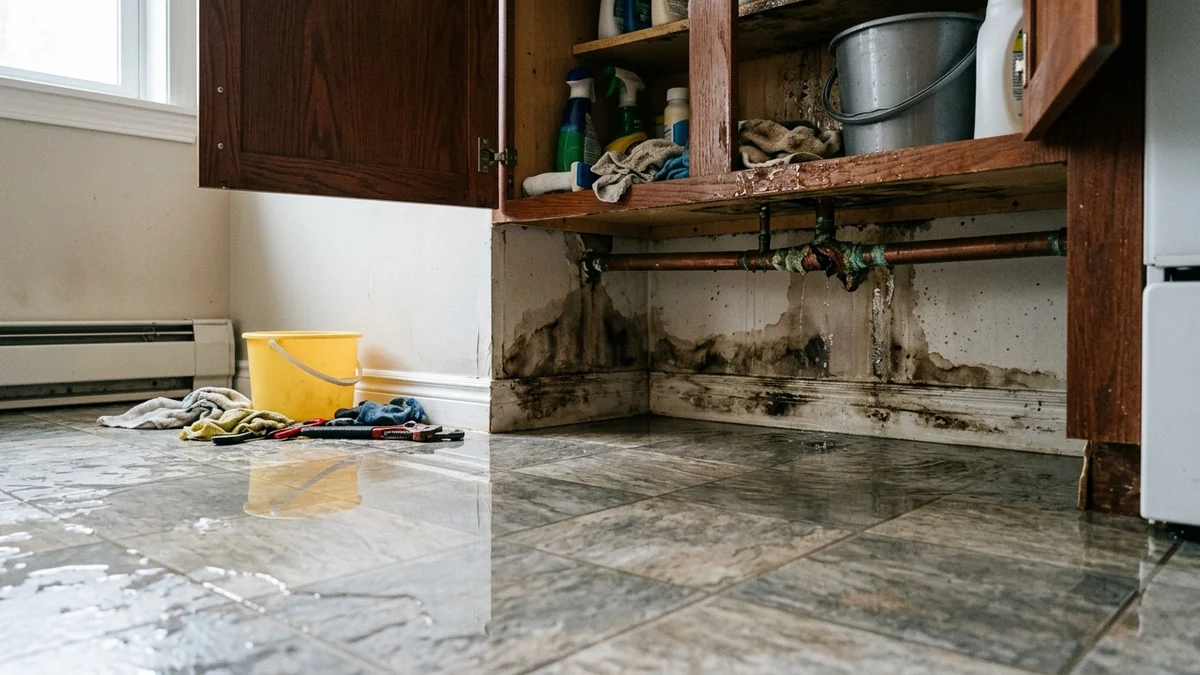
A sudden sewer line blockage sends heavily contaminated, dark toilet water spilling over your bathroom rim onto your clean tile floors. This biohazard Category 3 water immediately seeps beneath your vanity and into the drywall seams, threatening your family's health with harmful pathogens. You need certified containment, sanitation, and rapid dry-out to make your bathroom safe again.
What This Service Covers
- Class 3 black water extraction using enclosed biohazard equipment.
- Thorough sanitizing of grout lines, tile, and subfloor surfaces.
- Contaminated drywall and vanity baseboard removal.
- High-potency EPA-registered broad-spectrum disinfectant application.
- HEPA air filtration to capture airborne pathogens and odors.
Why This Happens in Orlando Homes
Orlando's sandy soil and older clay sewer lines can easily collapse or become blocked by invasive tree roots seeking water. This causes main sewer blockages that send toilet waste flowing backward into ground-floor bathrooms during heavy rain events.
Our Process for Toilet Overflow Cleanup
We practice safe, certified containment and sanitizing procedures to make your bathroom safe.
Biohazard Containment
We establish plastic zip-walls and negative air pressure to keep sewer pathogens from drifting into other rooms.
Black Water Extraction
Specialized pumps extract the contaminated liquid, and ruined porous materials like carpet padding are safely bagged and removed.
Broad-Spectrum Disinfection
Every affected hard surface is scrubbed and treated with hospital-grade disinfectants to kill bacteria, viruses, and parasites.
Subfloor & Wall Drying
High-static air movers and industrial dehumidifiers are placed to dry out the structural underlayment beneath the tiles.
Local Field Note
Bathrooms in older Downtown Orlando residences often feature historic hex tile floors that must be carefully sanitized without damaging the vintage grout. Our technicians recently restored a classic 1920s bathroom here after a sewer backup, preserving the beautiful original tile structure.
What Does Toilet Overflow Water Damage Cleanup Involve in Orlando?
Toilet overflow water damage cleanup in Orlando involves rapid containment of grossly contaminated water, heavy extraction with sealed sanitary vacuum units, antimicrobial sanitization of subfloors, and rapid structural drying. When an indoor toilet overflows, contaminated water swiftly migrates through grout lines, beneath floor tile adhesives, and behind baseboards into adjoining bedrooms or hallways.
Restoration professionals establish physical containment barriers using zip-wall plastic sheeting and deploy HEPA-filtered air filtration devices to prevent airborne biological particulate migration throughout the home. Porous materials that cannot be thoroughly sanitized—such as saturated drywall, baseboards, and carpet padding—are carefully removed. Technicians then treat underlying concrete slabs or wood subfloors with hospital-grade botanical disinfectants before installing industrial low-grain refrigerant (LGR) dehumidifiers and air movers for deep structural drying through specialized sewage cleanup protocols.
What Is Category 3 Black Water and Why Is Toilet Overflow Water Dangerous?
Category 3 black water is grossly unsanitary liquid containing dangerous human waste, bacteria, viruses, and parasitic organisms that cause severe illness upon direct skin contact, ingestion, or inhalation of aerosolized droplets. While a clean supply line rupture produces Category 1 clean water, any toilet overflow containing feces, urine, or backed-up municipal sewer solids is legally classified as Category 3.
In Central Florida's warm indoor environment, bacterial pathogens such as E. coli, Salmonella, and Norovirus multiply rapidly across damp surfaces. Even if standing water appears clear from an initial tank overflow, once that water washes over the toilet bowl rim, across used bathroom tile, and under wax ring seals, it absorbs existing bacterial contaminants. Professional teams utilize full personal protective equipment (PPE)—including Tyvek suits, nitrile gloves, and respirator masks—to eliminate exposure hazards during emergency water extraction.
What Items Should Orlando Homeowners Never Touch After a Sewage or Toilet Overflow?
Orlando homeowners should never touch sewage-saturated carpets, bath mats, soaked particle-board vanity cabinets, or pooling sewage water without specialized personal protective gear. Porous household items absorb liquid pathogens into their core fibers, making household detergent cleaning ineffective and dangerous.
Avoid walking barefoot or in fabric slippers through contaminated zones, as tracking black water across rugs and hardwood spreads biohazards throughout the residence. Furthermore, homeowners should never operate standard household vacuums or shop vacuums on sewer water; residential vacuums lack sealed HEPA exhaust systems and will blast millions of aerosolized fecal bacteria directly into your indoor breathing air. Instead, keep doors closed to contain airflow, turn off the bathroom water valve, and contact (407) 557-9924 to connect with a qualified biohazard and water mitigation specialist.
How Do Technicians Dry Subfloors Beneath Bathroom Tile and Vinyl Plank?
Technicians dry subfloors beneath bathroom tile and luxury vinyl plank (LVP) by utilizing directional high-static air movers, commercial desiccant dehumidification systems, and targeted moisture-meter tracking. When toilet wastewater seeps under tile, moisture becomes trapped between the impervious tile surface and the foundational concrete slab or wood subfloor.
If left unaddressed, trapped dampness degrades mortar bonds, causes vinyl plank adhesive to fail, and fuels toxic mold growth beneath flooring layers. Restoration crews use non-destructive pinless moisture meters and infrared thermal imaging to trace the exact boundaries of subfloor moisture. Where vinyl flooring traps moisture, technicians may lift perimeter planks to inject dry heated airflow directly underneath, preventing expensive floor destruction while returning framing materials to documented dry standards through disciplined structural drying methods.
Why Do Toilet Overflows and Sewer Backups Happen Frequently in Central Florida?
Toilet overflows and sewer backups happen frequently in Central Florida due to aggressive tree root intrusion into clay pipes, high water tables during summer rainy seasons, and municipal main line overload. In historic areas like Downtown Orlando, College Park, and Winter Park, mature oak trees relentlessly seek moisture, penetrating underground sewer lines through pipe joints and forming dense root balls that cause sudden blockages.
Additionally, during intense tropical downpours and hurricane rain bands, municipal stormwater can infiltrate municipal sanitary sewers, overwhelming flow capacity and forcing sewer lines to back up into the lowest plumbing fixtures in residential homes. Once wastewater is safely extracted and the home is sanitized, Orlando Rapid Restoration connects you with contractors who can also handle complete drywall repair, vanity replacement, and floor replacement via reconstruction services.
Water Damage Contamination Categories: Clean vs. Gray vs. Black Water
Restoring toilet overflow damage safely requires classifying biological and chemical hazards according to standard restoration categories:
| Contamination Category | Common Residential Sources | Biohazard Hazard Level | Cleanup & Salvage Protocol |
|---|---|---|---|
| Category 1 (Clean Water) | Supply line burst, overflowing sink faucet, clean toilet tank | Minimal immediate health risk to healthy occupants | Direct extraction, structural drying; porous materials usually salvageable |
| Category 2 (Gray Water) | Washing machine discharge, dishwasher overflow, toilet bowl with urine | Contains chemical residues, detergents, or biological contaminants | Antimicrobial wash required; carpet padding replaced; fast structural drying |
| Category 3 (Black Water) | Toilet overflow with feces, municipal sewage backup, river flooding | Gross biohazard; contains pathogenic bacteria, parasites, viruses | Full PPE containment; porous materials discarded; hospital-grade biocide |
| Degraded Water (Time-Elapsed) | Category 1 or 2 water standing unmitigated past 24 to 48 hours in FL heat | Microorganisms multiply rapidly, escalating to biohazard status | Upgraded containment, antimicrobial sanitization, and HEPA air scrubbers |
Frequently Asked Questions
Got questions? Read direct answers from our biohazard-certified specialists.
Contact Bio-Certified ProIs toilet overflow water considered a biohazard?
Yes, water from a toilet overflow that contains fecal matter or urine is classified as Category 3 "black water" or a biohazard. This water contains harmful pathogens, bacteria, and viruses that can cause serious illness, requiring professional certified sanitizing and containment.
Can my bathroom vanity be saved after a toilet overflow?
If the vanity is made of solid wood and is sanitized immediately, it can often be saved and dried. However, vanities made of particle board or MDF absorb contaminated water like a sponge, swell up, and must be removed to prevent severe mold growth.
How do you eliminate the odor after a sewer backup?
We use high-capacity ozone generators and hydroxyl machines that break down odor molecules at the molecular level. This is combined with thorough physical cleaning and broad-spectrum antimicrobial washes to ensure that no bacteria remains behind to produce smells.
Should I try to clean up toilet overflow water myself?
We strongly advise against cleaning up Category 3 toilet water yourself without professional personal protective equipment. Exposure to raw sewage poses serious health risks, and standard household cleaning supplies cannot penetrate deep into tile grout or wall cavities to kill pathogens.
What does toilet overflow water damage cleanup involve in Orlando?
Toilet overflow cleanup involves extracting biohazard black water with enclosed sanitary pumps, removing contaminated porous drywall and baseboards, sanitizing with hospital-grade disinfectants, and structural subfloor dehumidification.
What is Category 3 black water in a toilet overflow?
Category 3 black water is grossly unsanitary water containing human waste, bacteria, viruses, and parasites. It poses severe acute health hazards upon skin contact or aerosolization and requires professional biohazard containment.
What items should homeowners never touch after a sewage or toilet overflow?
Homeowners should never touch sewage-saturated carpets, porous bath rugs, soaked particle-board vanity bases, or pooling toilet water without personal protective equipment, gloves, and rubber boots.
How do technicians dry subfloors beneath bathroom tile after a toilet overflow?
Technicians use high-static pressure injection systems, commercial LGR dehumidifiers, and directed air movers to pull moisture out from beneath tile underlayment, subflooring, and joists without tearing up tile whenever possible.
Urgent Sewage & Toilet Overflow Cleanup
Biohazard black water must be contained immediately to protect health. Speak with our certified technicians now.