Water Damage Odor & Musty Smell Removal in Orlando, FL
Complete molecular odor elimination and air scrubbing.
Direct answer: Odor removal in Orlando requires identifying and drying trapped moisture sources, removing mold-damaged cellulose materials, treating surfaces with botanical antimicrobials, and deploying hydroxyl generators or thermal foggers to neutralize microbial volatile organic compounds (MVOCs) at the molecular level. Orlando Rapid Restoration connects Orlando homeowners with licensed, insured local water damage restoration professionals. Call (407) 557-9924 for emergency dispatch.
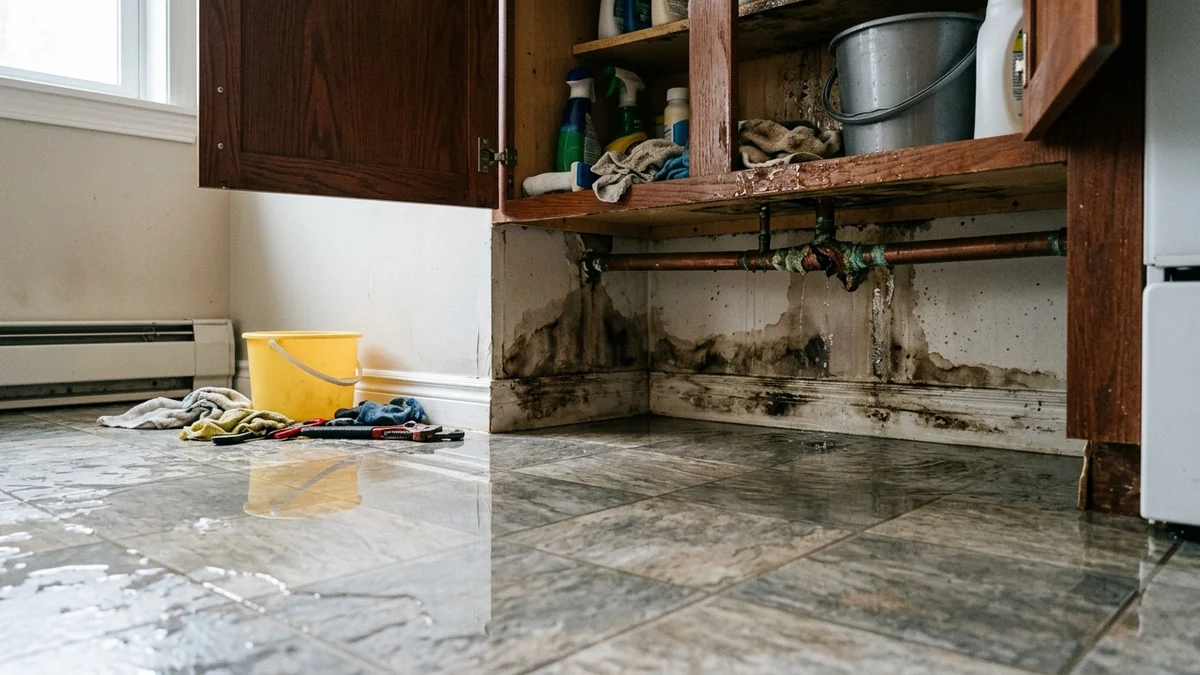
A persistent, sour musty smell greets you every time you open your closet door. You have already thoroughly scrubbed the floors with retail sprays, yet the damp stench remains trapped in the walls, hinting at hidden moisture behind your baseboards. You need professional odor tracing, thermal mapping, and molecular deodorizing to clear your indoor air.
What This Service Covers
- Thermal imaging to locate the damp hidden pockets breeding odors.
- Hydroxyl and ozone treatments to destroy mVOCs at the molecular level.
- Deep antimicrobial wall and subfloor washes.
- HEPA air scrubbing to capture lingering mold spores and particles.
- Thermal fogging of air ducts to eliminate structural odors.
Why This Happens in Orlando Homes
Orlando's extreme tropical humidity feeds microscopic mold spores trapped inside dark, unconditioned wall cavities. When any plumbing leak adds moisture, the mold releases volatile organic compounds that quickly ruin indoor air quality.
Our Process for Musty Smell Removal
We find hidden leaks, scrub the airborne spores, wash the affected surfaces, and deodorize molecules.
Moisture Detection
We use thermal imaging cameras to find the cold, damp structural wood or drywall that is actively feeding the odor.
Source Elimination
The wet, moldy drywall is safely cut away, and the remaining wood framing is washed with a heavy antimicrobial scrub.
HEPA Air Scrubbing
We run HEPA-filtered air scrubbers to trap floating mold spores, dust particles, and lingering allergens from your indoor air.
Molecular Hydroxyl Deodorization
Specialized hydroxyl generators run to neutralize any remaining smell molecules floating in the air or trapped in upholstery.
Local Field Note
In the historic bungalow residences of Lake Nona, poor crawlspace venting often lets rising moisture seep into carpet subfloors. We recently tracked down and eliminated a heavy, lingering musty odor in a lakefront home, restoring fresh air in just four days.
What Does Professional Odor Removal Orlando Involve After Water Damage?
Professional odor removal in Orlando is an intensive, multi-step scientific decontamination process rather than superficial fragrance masking. It begins with identifying and eliminating active moisture reserves, physically removing microbial-contaminated building materials, sanitizing affected substrates with EPA-registered botanical antimicrobials, and utilizing advanced molecular oxidation technologies.
When water infiltrates Orlando homes following plumbing breaks or storms, microbial organisms begin colonizing cellulose materials like drywall paper, carpet backing, and baseboards within 24 to 48 hours. Professional teams arrive equipped with non-destructive thermal imaging cameras and moisture meters to pinpoint damp voids behind walls. Once the physical moisture source is neutralized and dried via certified structural drying protocols, crews eliminate persistent odor molecules using industrial air scrubbers and hydroxyl generators.
Why Does Central Florida Heat and High Humidity Supercharge Musty Odor Production?
Central Florida's climate supercharges odor development because heat and high ambient humidity dramatically accelerate bacterial and fungal metabolic rates. In Orlando, where outdoor temperatures routinely exceed 90°F and relative humidity averages over 75%, moisture trapped in wall cavities and subfloors creates a tropical incubator environment.
Warm temperatures increase the vapor pressure of volatile compounds, causing them to off-gas rapidly into living areas. In neighborhoods like Winter Park and Lake Nona, closed-up air-conditioned homes trap these gases indoors, concentrating odors and recirculating microscopic mold spores throughout the HVAC system.
What Are Microbial Volatile Organic Compounds (MVOCs) and Why Do Masking Sprays Fail?
Microbial volatile organic compounds (MVOCs) are complex gaseous chemical byproducts—including alcohols, aldehydes, ketones, and sulfur compounds—released by actively metabolizing mold and bacteria as they digest wet cellulose and organic adhesives. These microscopic gases readily permeate porous sheetrock, wooden studs, draperies, and upholstery.
Commercial aerosol sprays, scented plug-ins, and scented candles only release synthetic fragrance oils that temporarily overpower human olfactory receptors without affecting the underlying chemical gas or its microbial source. Once the artificial scent dissipates, the pungent, sour musty smell returns with full intensity. Complete eradication requires neutralizing the source through physical remediation and certified mold remediation procedures.
How Do Technicians Use Thermal Fogging and Hydroxyl Treatments for Deep Deodorization?
Technicians utilize thermal foggers and industrial hydroxyl generators to neutralize volatile odor compounds at the molecular level across every corner of the home. Hydroxyl generators use specialized ultraviolet light wavelengths to split ambient water vapor into hydroxyl radicals (OH•), which react with and break down organic odor molecules and airborne pathogens into harmless carbon dioxide and water vapor.
For severe or deeply embedded odors, technicians deploy solvent-based thermal fogging units. Thermal fogging produces ultra-fine microscopic chemical droplets that mimic the exact particle size and behavior of odor gases, penetrating deep into framing cracks, wall voids, and ceiling cavities to permanently neutralize embedded smell molecules. If odor particles have contaminated HVAC duct lines, technicians coordinate comprehensive air duct & HVAC cleaning to ensure pure airflow.
How Do Technicians Locate Hidden Damp Pockets Behind Baseboards, Cabinets, and Subflooring?
Technicians locate hidden damp pockets using non-destructive technology, including FLIR infrared thermography, pinless radio-frequency moisture meters, and digital acoustic sensors. Trapped moisture cools the surface of building materials through evaporative cooling, creating distinct thermal signatures visible on infrared monitors even through dense ceramic tile or drywall.
By identifying wet insulation pockets behind kitchen cabinets, bathroom vanities, and baseboards without invasive demolition, technicians extract bound moisture directly. Orlando Rapid Restoration connects Orlando homeowners with licensed, insured local water damage restoration professionals. Call (407) 557-9924 for immediate emergency dispatch.
Odor Removal Method Comparison: Surface Sprays vs. Fogging vs. Hydroxyl & Ozone
Musty odors after water damage are caused by microbial volatile organic compounds (MVOCs). Compare how professional treatments eliminate odors versus consumer sprays:
| Treatment Method | How It Operates | Depth of Material Penetration | Permanent Odor Elimination in FL |
|---|---|---|---|
| Consumer Air Sprays & Plug-Ins | Coats airborne molecules with artificial perfume fragrances | Zero structural penetration; sits solely in ambient air | No; odor returns completely within hours as fragrance dissipates |
| Botanical Antimicrobial Fogging | Atomized droplets coat exposed surfaces and kill active spores | Penetrates surface wood pores, subfloors, and framing lumber | Yes on treated surfaces; destroys active microbial odor-producing colonies |
| Hydroxyl Molecular Generation | Uses UV optics to generate free radicals that break chemical odor bonds | Diffuses deeply into drywall, upholstery, fabrics, and AC ductwork | Highly effective; breaks down MVOCs safely in occupied homes |
| High-Output Ozone Gas Treatment | Unstable oxygen molecules oxidize and destroy embedded odor compounds | Deepest molecular penetration through porous walls and subfloors | Permanent odor eradication; requires property to be unoccupied during run |
Frequently Asked Questions
Got questions? We have direct answers from trained odor elimination specialists.
Contact Odor specialistWhat is the primary cause of a musty water damage smell?
The primary cause is microbial volatile organic compounds (mVOCs) released by active mold, mildew, and damp bacteria colonies feeding on organic materials like drywall paper or carpet adhesive. These compounds evaporate easily, creating the signature sour, musty odor.
Can you spray perfume or air fresheners to cover the musty smell?
No, retail air fresheners merely mask the smell temporarily while the mold and bacteria continue to grow. Covering up the odor does not stop the structural decay or health hazards, and the musty smell will return as soon as the spray wears off.
How does a hydroxyl generator remove odors safely?
Hydroxyl generators use UV light to mimic natural atmospheric processes, creating hydroxyl radicals that actively disassemble odor molecules and pathogens at the molecular level. This technology is highly effective and completely safe to run in occupied spaces.
Is a lingering musty smell a sure sign of active mold?
Yes, a persistent damp or musty odor almost always indicates active, growing mold or trapped, decaying water somewhere in your home. Even if no mold is visible on your walls, it is likely thriving behind baseboards, beneath flooring, or inside wall cavities.
How does professional odor removal Orlando eliminate stubborn musty smells?
Professional odor removal in Orlando locates hidden damp materials using thermal cameras, sanitizes framing with EPA-registered antimicrobials, and uses industrial hydroxyl generators or thermal foggers to neutralize volatile odor molecules permanently.
Why do retail air fresheners and scented candles fail to eliminate water damage odor?
Store-bought sprays and candles only deposit synthetic fragrances over airborne molecules without neutralizing active bacterial colonies or fungal metabolism behind baseboards and under floorboards.
What are microbial volatile organic compounds (MVOCs) in Florida homes?
MVOCs are gaseous byproducts released by actively metabolizing mold and bacteria as they digest damp drywall paper, timber, and carpet backing, producing pungent sour and earthy odors.
Can musty water damage odors penetrate air conditioning ductwork and upholstery?
Yes. Central AC blowers circulate airborne odor molecules and fungal spores through flex ducting and soft furniture, requiring whole-home HEPA air scrubbing and specialized HVAC decontamination.
Complete Molecular Odor Elimination
Every day a musty smell lingers, mold and bacteria spores are filling your family's lungs. Contact our clean-air odor experts today.