Fire Damage Restoration Orlando
Fire Damage Restoration in Orlando is essential for restoring your property after a fire. Get professional, emergency-response, and affordable fire restoration Orlando services today!
Direct answer: Fire damage restoration in Orlando involves emergency roof tarping and board-up, extracting thousands of gallons of firefighting water, removing toxic acidic soot, neutralizing smoke odors, and rebuilding burnt framing. Orlando Rapid Restoration connects Orlando homeowners with licensed, insured local water damage restoration professionals. Call (407) 557-9924 for 24/7 emergency dispatch.
Emergency Response
We respond immediately to stop further damage and begin cleanup instantly.
Soot & Smoke Removal
Advanced smoke residue removal and deep odor deodorization processes.
Top Rated Quality
Highly trusted 5.0 rated professional fire damage restoration services in Orlando.
What Fire Damage Restoration Covers
- Emergency roof tarping, window board-up, and structural site stabilization.
- Immediate extraction of thousands of gallons of municipal firefighting water.
- Neutralization of toxic acidic soot deposits on walls, fixtures, and appliances.
- Deep smoke odor deodorization utilizing hydroxyl generators and thermal foggers.
- HVAC ductwork decontamination to stop persistent circulating particulate matter.
- Full structural rebuild and itemized insurance claim scope documentation.
Our Process for Fire & Smoke Restoration
Systematic field procedures designed to mitigate secondary moisture damage and neutralize smoke odor.
Emergency Board-Up & Hazard Securing
Breached roofs, windows, and exterior doors are sealed with weather-resistant barriers to protect the property from theft, rain, and wildlife.
Firefighting Water Extraction & Drying
High-volume truck extractors remove standing hose water from floors, crawl spaces, and drywall before Florida humidity triggers toxic mold colonization.
Soot Removal & Surface Decontamination
Specialized dry chemical sponges, degreasing solutions, and HEPA air scrubbers eliminate acidic soot particles from walls, ceilings, and ductwork.
Thermal Deodorization & Structural Rebuild
Hydroxyl generators and thermal foggers chemically neutralize embedded smoke molecules, followed by complete carpentry, drywall, and finish reconstruction.
What Does Fire Damage Restoration in Orlando Involve?
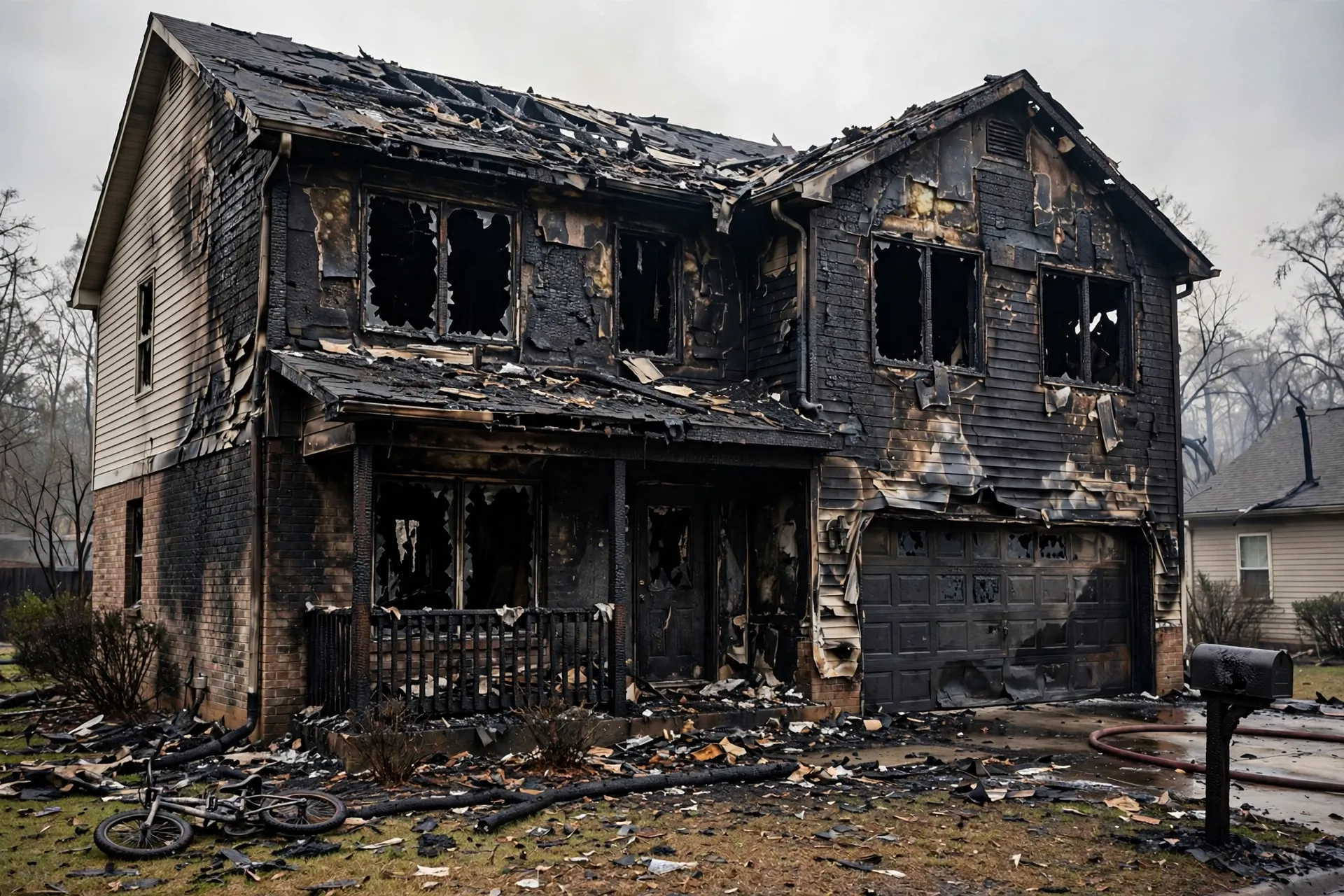
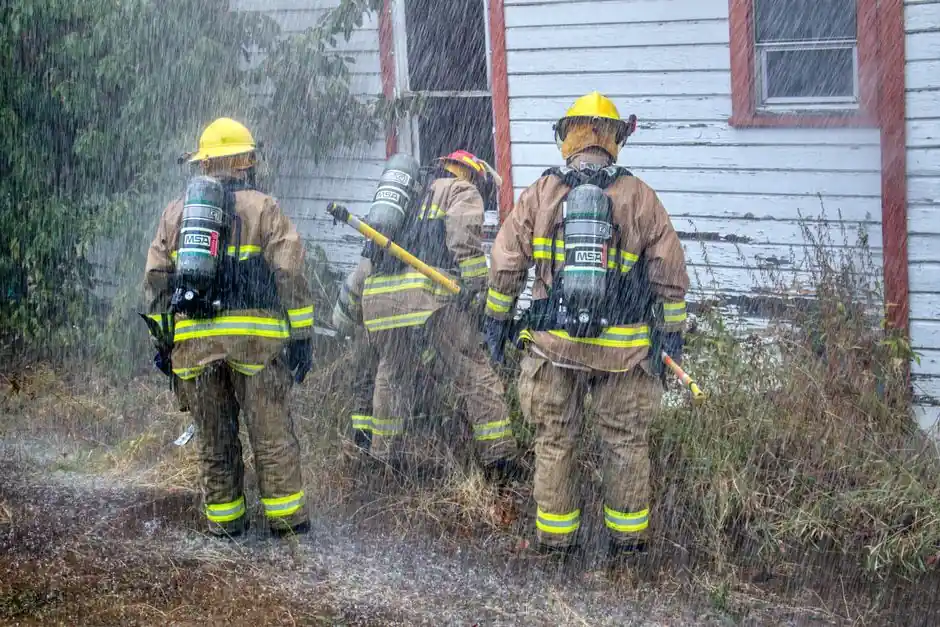
Fire damage restoration in Orlando involves a multi-stage recovery process that addresses structural charring, toxic soot accumulation, smoke odor permeation, and extensive water saturation from firefighting efforts. When first responders extinguish a structure fire in Orange County, thousands of gallons of high-pressure water are poured into attic trusses, living areas, and crawl spaces.
Consequently, professional restoration begins with immediate emergency water extraction and stabilization before toxic mold or structural collapse occurs. Certified restoration contractors deploy heavy-duty commercial equipment to remove waterlogged insulation, scrape charred framing timbers, seal surviving structural members with odor-encapsulating primers, and manage the entire restoration process through direct coordination with property insurance adjusters.
Why Firefighting Water Extraction Is the Most Urgent First Step After a Structure Fire
Firefighting water extraction is the most urgent post-fire priority because standing water combined with Central Florida’s high ambient heat triggers rapid microbial colonization within 24 to 48 hours. Fire hoses drench interior drywall, timber floorboards, and ceiling gypsum, creating saturated conditions that quickly turn Category 1 water into heavily contaminated black water when mixed with toxic ash and soot.
Without high-capacity truck-mounted water extraction pumps and low-grain refrigerant dehumidifiers deployed within hours, saturated subfloors buckle and toxic mold blooms establish across structural joists. Connecting with emergency structural drying teams right away protects salvageable property elements and prevents compounding structural damage.
How Soot and Acidic Smoke Residue Corrode Central Florida Homes
Soot and combustion byproducts are highly acidic, chemically reacting with indoor surfaces within minutes of a fire being extinguished. Modern homes contain synthetic plastics, foam furniture cushions, and vinyl materials that release corrosive chemical films during combustion. Within hours, these acidic residues cause yellowing of plastic appliances, permanent etching of glass windows, and pitting of metal plumbing faucets and door hardware.
Within several days, unaddressed soot permanently stains porous grout lines, marble counters, and drywall paint. Professional technicians use specialized chemical sponges, alkaline counteracting washes, and specialized contents cleaning and restoration processes to neutralize acidity before secondary chemical etching destroys valuable home surfaces.
Thermal Fogging and Hydroxyl Odor Removal for Severe Smoke Penetration
Thermal fogging and hydroxyl generation eliminate smoke odors by neutralizing microscopic volatile organic compounds trapped deep inside wall cavities, timber framing, and air conditioning ducts. Simple masking sprays and standard household ventilation fail to eliminate protein or synthetic smoke odors because microscopic smoke particles expand under heat and penetrate deep into timber pores and porous concrete slabs.
Technicians pair commercial HEPA air scrubbers with thermal foggers that recreate the heat and particle size of the original fire, distributing deodorizing neutralizers directly into the same microscopic crevices the smoke entered. For occupied structures, advanced hydroxyl generators break down odor-causing molecules safely without off-gassing, similar to specialized musty smell and odor removal treatments deployed across water-damaged properties.
What Steps Should Property Owners Take Immediately After Firefighters Clear the Scene?
After the local fire department declares the property structurally safe to enter, homeowners should avoid touching soot-covered walls with bare hands, refrain from turning on the HVAC system, and contact their insurance company immediately to initiate an emergency loss claim. Walking across wet, soot-covered carpets embeds acidic ash deep into the backing fibers, while running the central air conditioner pulls soot into duct coils and cross-contaminates undamaged rooms.
Take comprehensive photographs of all damaged structures and charred personal property before anything is discarded. Call (407) 557-9924 immediately so Orlando Rapid Restoration can connect you with licensed local contractors who provide 24/7 board-up, water extraction, and full-service reconstruction services across Downtown Orlando and all of Orange County.
Fire Damage Residue Comparison: Dry Soot vs. Wet Soot vs. Protein Smoke
Different fire types and combustible materials generate unique smoke residues that require distinct chemical neutralizers and specialized removal techniques:
| Residue Category | Fuel & Combustion Source | Residue Behavior & Impact | Professional Remediation Technique |
|---|---|---|---|
| Dry Powder Soot | Fast-burning, high-temperature wood or paper fires | Dry, powdery texture, low odor, smears if touched with liquid cleaners | Dry chemical soot sponges and HEPA vacuum particulate capture |
| Wet Sticky Soot | Low-heat smoldering fires involving plastics, foam, and synthetic fabrics | Greasy, highly pungent, clings aggressively to walls and HVAC ductwork | Alkaline degreasers, solvent-based cleaning, and thermal fogging |
| Protein Smoke Residue | High-heat kitchen grease, meat, or cooking food combustion | Virtually invisible film, discolors paint yellow, intense foul odor | Enzymatic surface washes and hydroxyl molecular deodorization |
| Firefighting Water Slurry | High-volume fire hose water mixed with acidic ash and debris | Floods building floors, degrades subfloors, breeds mold rapidly | Heavy-duty extraction, structural drying, and corrosion inhibitor wash |
Frequently Asked Questions
Direct answers regarding fire recovery, water mitigation, and insurance support in Orlando.
Speak with a Pro: (407) 557-9924What should I do after a fire in Orlando?
After a fire, ensure everyone is safe and call emergency services. Avoid entering the property until it has been deemed safe. Contact a professional fire damage restoration service in Orlando to assess the damage and begin the restoration process.
How does fire damage restoration work in Orlando?
Fire damage restoration involves assessing the damage, removing debris, cleaning soot and smoke, and restoring the property. Professionals use specialized equipment and techniques to ensure thorough restoration and compliance with local regulations.
Why is fire damage restoration important in Orlando?
Fire damage restoration is crucial to prevent further deterioration, such as mold growth and structural issues. In Orlando's humid climate, timely restoration ensures safety and helps preserve property value.
What can I expect during the fire restoration process?
During the fire restoration process, you can expect an initial assessment, debris removal, cleaning, repairs, and a final inspection. Our team will communicate with you throughout the process to ensure transparency and satisfaction.
What does fire damage restoration involve in Orlando?
Fire damage restoration in Orlando involves board-up, extracting thousands of gallons of firefighting water, removing acidic soot from walls, deodorizing HVAC ductwork with thermal foggers, and repairing structural framing.
Why does firefighting water cause mold after a fire in Florida?
Fire hoses soak drywall, insulation, and subfloors with water. In Orlando's warm climate, high humidity accelerates mold growth on wet building materials within 24 to 48 hours unless commercial extraction and structural drying are deployed immediately.
How do technicians remove corrosive smoke and soot residues from walls and ducts?
Technicians use chemical dry sponges, alkaline cleaning solutions, and HEPA air scrubbers to neutralize acidic soot before it etches glass, corrodes metal fixtures, and discolors paint.
Can fire-damaged personal contents and furniture be saved?
Many smoke-damaged items can be restored using specialized pack-out, ultrasonic cleaning, and ozone or hydroxyl chambers. Technicians inventory salvageable versus non-salvageable belongings for your insurance claim.
Emergency Fire & Smoke Restoration Dispatch
Every hour counts before acidic soot permanently etches surfaces and standing water breeds mold. Connect with our local restoration network immediately.