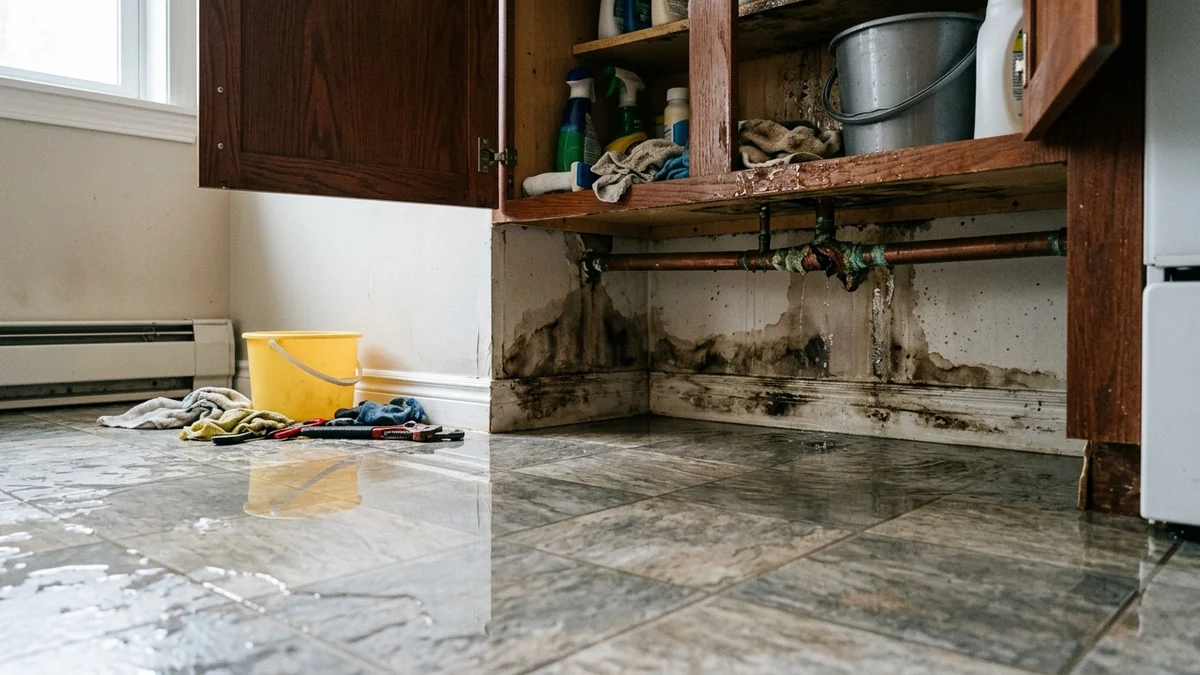
Roof Leak Water Damage Restoration in Orlando, FL
Emergency roof tarping, insulation removal, and attic dry-out.
Direct answer: Roof leak water damage restoration in Orlando requires rapid dry-in tarping, extracting pooled water from attic decking, vacuuming out soaked insulation, and deploying commercial dehumidifiers to dry wooden rafters and ceiling drywall before mold spreads. Orlando Rapid Restoration connects Orlando homeowners with licensed, insured local water damage restoration professionals. Call (407) 557-9924 for emergency dispatch.
A sudden gust of wind rips off several roof shingles during a summer storm, allowing a massive downpour to penetrate your attic space. Water begins trickling through your ceiling fixtures and pooling in your attic insulation, threatening a major structural failure in the ceiling below. You need immediate tarping, extraction, and attic dry-out to prevent widespread structural rot.
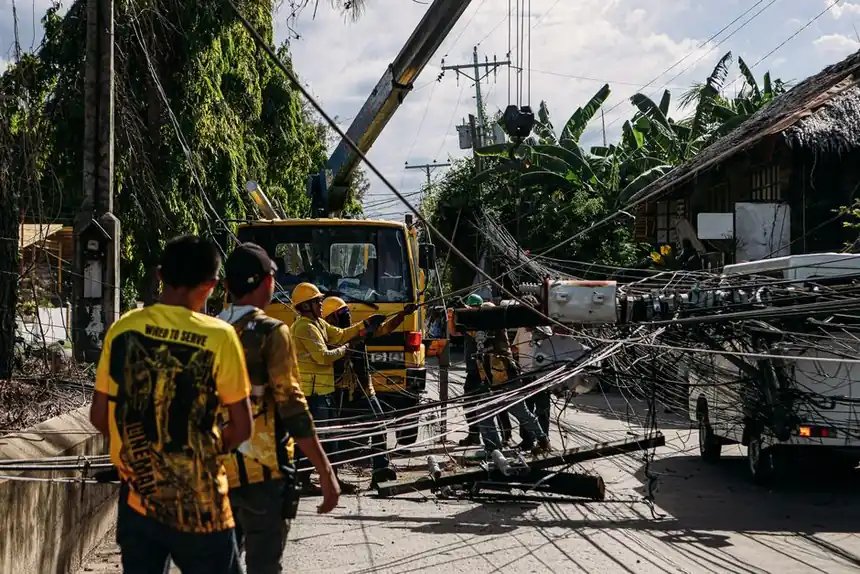
What This Service Covers
- Emergency roof tarping and shrink-wrap stabilization.
- Wet attic insulation extraction and disposal.
- Structural drying of damp roof rafters, trusses, and sheathing.
- Ceiling drywall stabilization and overhead moisture mapping.
- Broad-spectrum wood sealant and mold-preventative treatment.
Why This Happens in Orlando Homes
Orlando's intense hurricane season and violent summer afternoon storms pack high-velocity winds that easily tear shingles, tile, and flashing from roofs. Florida's high UV index also degrades asphalt shingles over time, causing them to crack and leak.
Our Process for Roof Leak Restoration
We stop active water, clear soaked insulation, and dry out attic wood structures.
Emergency Tarping
Our team safely climbs your roof to install a heavy-duty, wind-resistant tarp, stopping the active rain intrusion.
Attic Insulation Removal
Saturated blown-in or fiberglass insulation is vacuumed out to expose the damp ceiling joists.
Thermal Inspection
We map the moisture path through your ceilings and walls using advanced thermal imaging cameras.
Structural Desiccant Drying
High-output air movers are placed in the attic and living spaces to dry the structural wood trusses and drywall.
Local Field Note
The historic homes in College Park feature complex rooflines that are highly vulnerable to flashing leaks around dormers. We recently stabilized a large roof leak on a beautiful 1940s colonial home here, saving the original plaster ceilings through rapid attic dry-out.
What Does Roof Leak Orlando Restoration Involve After Severe Storms?
A sudden roof leak in Orlando requires immediate multi-stage mitigation: physical exterior stabilization via commercial-grade tarping, rapid water extraction from attic ceiling planes, complete removal of saturated fiberglass or cellulose insulation, and high-volume structural dehumidification. Central Florida's intense convective summer thunderstorms and tropical weather systems routinely deliver severe downpours accompanied by 50 to 70 mph wind gusts, dislodging architectural shingles and tearing flashing.
When water penetrates roof decking, it quickly migrates across horizontal roof trusses before dripping onto upper ceiling drywall. Professional restoration crews arrive equipped with non-invasive infrared cameras to trace hidden water tracks behind ceilings and inside wall cavities without unnecessary demolition. Once active infiltration is arrested, technicians establish negative air containment and deploy industrial air scrubbers to capture airborne dust while coordinating comprehensive storm damage restoration protocols.
How Does Leaking Roof Water Damage Orlando Attics and Ceiling Drywall?
Leaking roof water damage in Orlando homes poses severe threats to structural ceilings because gypsum drywall absorbs up to three times its weight in water, leading to rapid sagging and catastrophic ceiling collapse. When rainfall enters through compromised ridge vents, valley metal, or plumbing stack boot flashings, it pools atop the cellulose or fiberglass insulation layer directly above ceiling sheets.
As water accumulates, drywall screws pull through saturated gypsum, creating heavy pillowing along plaster joints. If you observe water staining or blistering latex paint, technicians recommend placing a bucket beneath the lowest point and puncturing a controlled center relief hole with a screwdriver to drain trapped liquid. Orlando Rapid Restoration connects homeowners with licensed local professionals who immediately execute structural stabilization and ceiling leak repair to protect family safety.
Why Does Trapped Attic Insulation Accelerate Structural Wood Rot and Mold in Central Florida?
Trapped wet attic insulation accelerates structural wood rot and toxic mold growth because Central Florida attics routinely reach temperatures between 120°F and 140°F with relative humidity exceeding 80%. When soaked insulation rests against yellow pine roof trusses and ceiling joists in this extreme microclimate, it creates an optimal incubator for fungal colonization within 24 to 48 hours.
Blown-in cellulose and fiberglass cannot be dried in place effectively once soaked by rainwater. It clumps together, loses its thermal insulation R-value permanently, and continuously releases moisture vapor into attic framing. Specialized mitigation teams use heavy-duty commercial insulation vacuum trucks with sealed filtration to extract saturated insulation directly into disposal trailers, exposing bare wood joists for antimicrobial wash-down and aggressive structural drying.
What Emergency Dry-In Tarping Steps Prevent Compounding Roof Water Damage?
Emergency dry-in tarping involves securing heavy-duty 10-mil woven UV-resistant polyethylene tarps over damaged roof sections using 2x4 wooden furring strips screwed through ridge caps and valley perimeters. Proper tarping requires wrapping edges securely around lumber battens so that tropical gusts cannot rip the protective membrane away or force rainwater underneath.
Sandbags, bricks, or unsecured tarps almost always fail during subsequent Central Florida thunderstorms. Emergency crews inspect roof rakes, dormer walls, and pipe boots in neighborhoods like Winter Park and College Park to ensure complete watertight coverage. This immediate dry-in seal satisfies homeowner insurance policy requirements to mitigate ongoing damages while your adjuster inspects the loss and prepares your claim.
How Do Technicians Dry Trusses, Ceiling Joists, and Drywall Without Unnecessary Demolition?
Technicians dry structural trusses, ceiling joists, and drywall using directed high-velocity centrifugal air movers, commercial low-grain refrigerant (LGR) dehumidifiers, and desiccant units that circulate hyper-dry air through attic cavities. By creating balanced pressure gradients across structural timbers, trapped wood moisture evaporates efficiently into the air stream where commercial refrigeration coils condense and pump it away.
Daily psychrometric readings and moisture pin probes document progress toward established dry standards. Where drywall has absorbed moderate moisture but retained gypsum cohesion, technicians use wall-cavity injection dryers to preserve architectural ceilings. Once moisture readings return to normal equilibrium, Orlando Rapid Restoration connects you with skilled rebuild contractors to handle re-insulation, drywall finishing, and ceiling texturing through comprehensive reconstruction services. Call (407) 557-9924 to speak with a dispatcher today.
Roof Leak Severity Comparison: Wind-Driven Rain vs. Structural Shingle Loss
Severe Orlando thunderstorms and tropical depressions cause roof leaks through distinct structural mechanisms:
| Leak Mechanism | Primary Water Entry Point | Attic & Ceiling Impact | Emergency Mitigation Protocol |
|---|---|---|---|
| Wind-Driven Rain Intrusion | Soffit vents, gable louvers, and unsealed ridge caps under wind load | Widespread damp insulation, surface wood wetting, minor drywall spotting | High-velocity attic air movers and targeted crawl space dehumidification |
| Missing Shingle Blow-Off | Exposed roof decking seams where architectural shingles ripped away | Direct rainwater saturation of ceiling drywall and insulation bats | Emergency exterior tarping, sandbagging, and ceiling weep-hole drainage |
| Valley & Flashing Failure | Corroded step flashing along chimneys, skylights, or roof-to-wall joints | Localized framing rot, interior wall cavity wicking, hidden mold | Thermal camera cavity inspection and baseboard injection drying |
| Tree Limb Puncture | Cracked truss rafters and punctured plywood decking from fallen debris | Heavy structural collapse risk, rain deluge into multiple rooms | Structural shoring, heavy tarping, bulk extraction, and reconstruction |
How do you locate a roof leak from inside the attic?
Water rarely travels in a straight line, often entering through a roof leak, running down a rafter, and dripping onto your ceiling feet away from the actual roof breach. We use infrared thermal cameras to trace the cold temperature signature of the water path directly to its source.
Should wet attic insulation always be removed?
Yes, wet attic insulation must be removed because it acts as a massive wet blanket trapped over your ceiling. It will compress, lose its R-value, and hold moisture against your ceiling joists for weeks, inevitably leading to wood rot and severe mold growth.
Can a roof leak cause an electrical fire?
Yes, water leaking through your roof can travel along electrical conduit and pool inside ceiling light fixtures or junction boxes. This creates a severe risk of electrical short circuits, sparks, and localized structural fires, requiring you to turn off affected breakers.
How long does a roof tarp last in Orlando's weather?
A professionally installed, heavy-duty roof tarp can last up to ninety days in Orlando's intense sun and wind. This gives you ample time to coordinate with your insurance company and schedule a licensed roofing contractor for permanent repairs.
What should I do immediately during an active roof leak in Orlando?
Place buckets under active drips, puncture a small relief hole in sagging ceiling drywall to drain pooled water safely, move furniture away, and call (407) 557-9924 to connect with local restoration contractors for emergency tarping.
What causes leaking roof water damage in Orlando homes?
Leaking roof water damage in Orlando is primarily caused by wind-driven rain from tropical storms, degraded chimney and valley flashing, cracked roof tiles, damaged architectural shingles from intense UV exposure, and fallen tree branches.
How does roof leak restoration prevent attic mold growth in Florida?
Because Florida attics routinely reach extreme heat and high humidity, mold spores colonize damp wood sheathing and insulation within 24 to 48 hours. Professional crews vacuum out wet insulation and run high-capacity dehumidifiers to pull moisture below critical thresholds.
Will homeowners insurance cover leaking roof water damage in Orlando?
Standard homeowners insurance policies in Orlando generally cover interior water mitigation and structural drying when leaking roof water damage is caused by sudden, accidental storm perils such as wind, fallen trees, or hail.
Emergency Roof Tarping & Restoration
Every hour storm water sits in your attic, ceilings collapse and wood rot spreads. Contact our emergency response team now.