Hurricane and Storm Flood Water Cleanup in Orlando, FL
Urgent high-volume storm water pumping, mucking, and sanitizing.
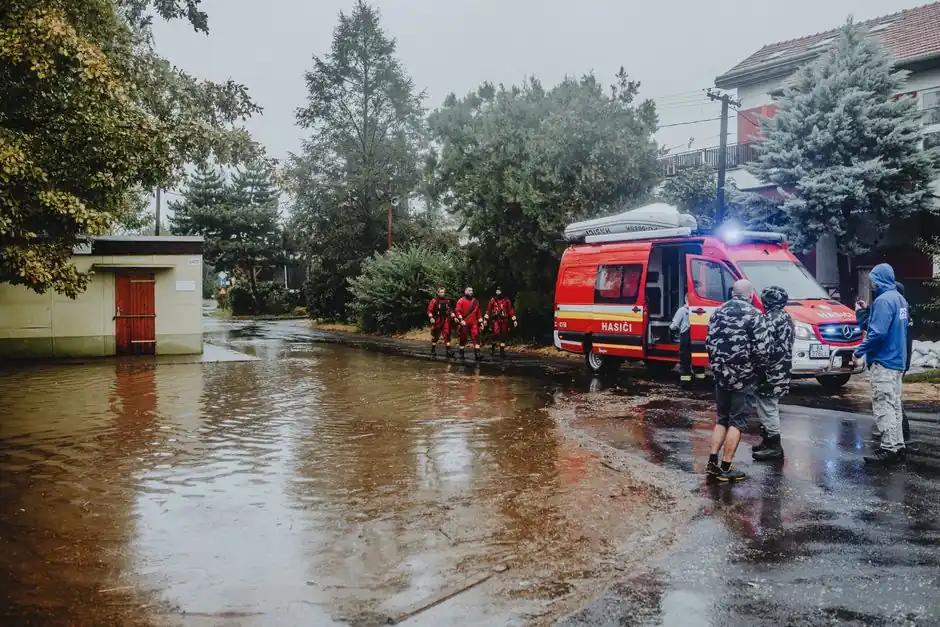
A massive hurricane brings torrential rain, pushing rising surface water through your front doors and across your living room rugs. This muddy, contaminated storm water is full of street grime and chemicals, rapidly saturating your drywall and threatening structural framing. You need high-volume water pumping, sanitizing, and aggressive drying to save your property.
What This Service Covers
- Industrial high-volume trash pumping of muddy floodwater.
- Mucking out of storm silt, sand, and organic debris.
- Precision flood cuts to remove ruined lower drywall.
- Heavy-duty pressure washing and structural frame sanitizing.
- High-static desiccant drying and humidity mitigation.
Why This Happens in Orlando Homes
Orlando's flat terrain and complex lake chains, like the Butler Chain of Lakes, can overflow during intense tropical storms and hurricanes. The city's drainage infrastructure can become overwhelmed by rapid runoff, sending storm water rising into low-lying properties.
Our Process for Storm Flood Cleanup
We pump sludge, remove soaked materials, sanitize frames, and force dry structural timbers.
High-Volume Pumping
We deploy truck-mounted trash pumps to extract standing water and thick silt from your home's ground level.
Controlled Demolition
We perform precise flood cuts to remove ruined wet drywall and insulation, exposing the structural framing.
Deep Antimicrobial Scrub
We wash and pressure-treat the wood framing with EPA-registered biocides to eliminate all sewage and soil pathogens.
De-flooding Structural Dry-Out
We run commercial desiccant dehumidifiers and high-velocity air movers to pull deep water molecules out of solid wood framing.
Local Field Note
During recent tropical events, residential properties near the lakes in Winter Park experienced severe yard and home flooding. Our crews worked around the clock, deploying specialized pumps to extract water from lakefront homes and completing dry-out before mold could form.
Frequently Asked Questions
Got questions? We have direct answers from IICRC certified storm damage specialists.
Talk to a storm proWhy is storm flood water considered highly dangerous?
Storm flood water rising from streets and lawns is classified as Category 3 "black water". It carries chemical pollutants, agricultural run-off, petroleum products, and biological pathogens from overloaded sewer systems, making it highly hazardous to touch or breathe without protective gear.
What is a "flood cut" and when is it necessary?
A flood cut is a neat horizontal line cut into your drywall twelve to eighteen inches above the highest water level. This allows us to remove the heavily contaminated plaster and wet insulation behind it, exposing the wall studs so we can clean, sanitize, and dry them.
How do you protect a flooded home from mold growth?
We apply professional broad-spectrum sanitizers to kill active mold spores immediately. We then run high-efficiency LGR dehumidifiers and HEPA air scrubbers to reduce the indoor relative humidity to below forty-five percent, which naturally stops mold from cultivating.
Does homeowners insurance cover storm flood damage?
Standard homeowners policies generally exclude damage caused by rising ground water or surface flooding. You typically need a separate flood insurance policy from the National Flood Insurance Program (NFIP) or a private insurer to cover storm-related rising water.
Urgent Hurricane & Storm Flood Cleanup
Every day rising storm waters sit inside your home, wood rot spreads and structural framing weakens. Contact our storm damage response team now.