Wet Carpet Water Extraction and Drying in Orlando, FL
Deep subsurface carpet and padding dewatering.
Direct answer: Wet carpet water extraction and drying in Orlando requires high-powered weighted subsurface vacuum extraction, inspecting padding for contamination, treating fibers with EPA-registered antimicrobials, and running industrial dehumidifiers to dry carpets and subfloors within 24 to 36 hours. Orlando Rapid Restoration connects Orlando homeowners with licensed, insured local water damage restoration professionals. Call (407) 557-9924 for emergency dispatch.
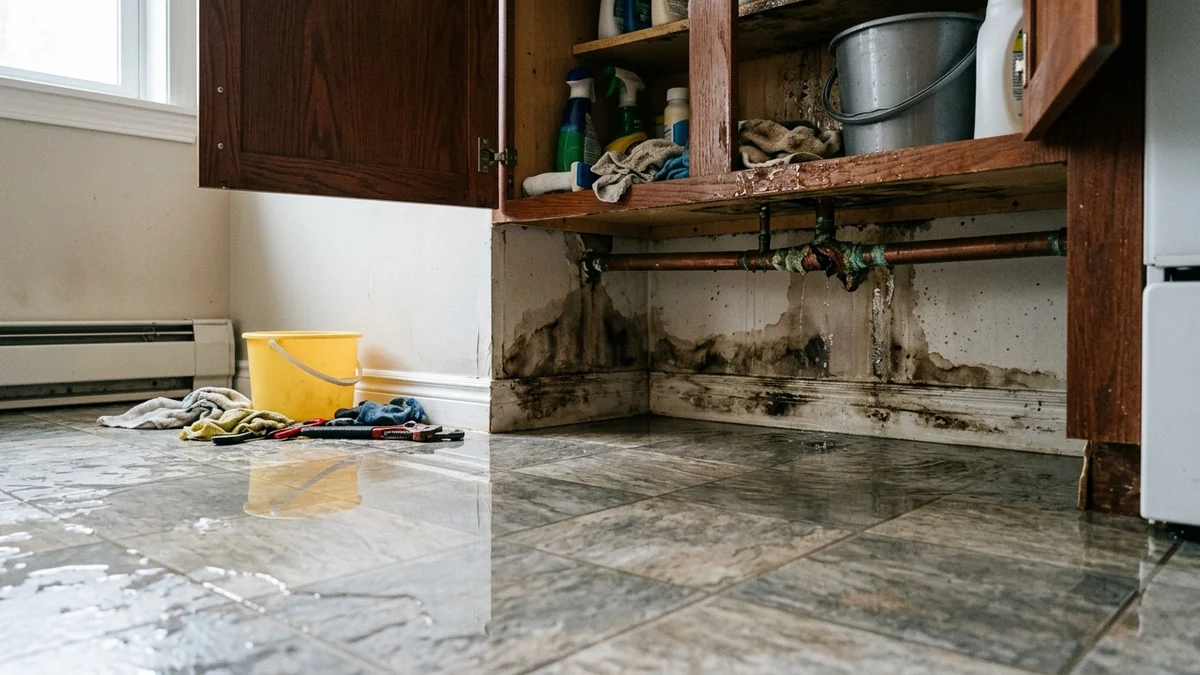
Your footsteps squish heavily on a saturated master bedroom carpet, sending cold water pooling up over your bare toes. The damp carpet fibers are already releasing a sour, mildewed smell that is spreading through your entire home. You need deep extraction and subfloor drying before the carpet backing separates and mold ruins the subfloor.
What This Service Covers
- Deep subsurface water extraction using weighted extraction rovers.
- Carpet pad inspection, drying, or eco-friendly replacement.
- Subfloor drying (plywood, concrete, or hardwood) beneath the carpet.
- Carpet stretching, reinstalling, and professional tack strip repair.
- Heavy-duty deodorizing and antimicrobial fiber treatment.
Why This Happens in Orlando Homes
High indoor humidity in Orlando homes caused by failing AC systems prevents damp carpets from drying naturally. This allows minor spills or pipe leaks to stay trapped in the carpet pad, causing rapid microbial growth.
Our Process for Carpet Water Extraction
We squeeze water deep from carpet pad and dry the subfloor before stretching fibers back.
Subsurface Extraction
We use heavy, ride-on extraction rovers that apply deep pressure to squeeze water out of both the carpet fibers and the dense padding below.
Floating the Carpet
If needed, we carefully un-tack the carpet edges and blow warm, dry air directly beneath the carpet to dry the pad and subfloor.
Antimicrobial Sanitizing
We apply an EPA-registered sanitizer to both sides of the carpet to kill odor-causing bacteria and mold spores.
Stretching & Re-installation
Once fully dry, we stretch the carpet back to its original shape and secure it onto new tack strips.
Local Field Note
Carpeted bedrooms in Downtown Orlando high-rise condos require extremely quiet, low-vibration drying equipment to avoid disturbing neighbors. We recently dried three floors of wet carpet in a luxury downtown tower, keeping noise levels low while completing dry-out in three days.
What Does Professional Wet Carpet Water Extraction and Drying Involve in Orlando?
Professional wet carpet water extraction and drying in Orlando is a systematic restoration protocol designed to remove water from deep within tufted carpet fibers, underlying foam cushion padding, and the structural subfloor. Simply vacuuming with a residential wet/dry shop vac only removes superficial moisture from the top 10% of carpet pile, leaving gallons of water trapped beneath.
Restoration technicians deploy industrial truck-mounted vacuum units combined with weighted extraction rovers that use mechanical pressure to squeeze moisture out of the underlying pad. Pin-type moisture meters measure wetness deep within concrete slabs and wood decking. Saturated perimeter tack strips are inspected for rusting nails and decay. Following extraction, technicians apply botanical antimicrobial washes and position industrial axial air movers and low-grain refrigerant (LGR) dehumidifiers through disciplined emergency water extraction protocols.
How Does Subsurface Weighted Drag Extraction Save Carpeting and Padding in Place?
Subsurface weighted extraction utilizes heavy motorized extraction machines—commonly known as water rovers or weighted extraction sleds—that compress both carpet pile and dense bonded foam cushion padding beneath hundreds of pounds of downward force. As the rover moves methodically across the floor, its powerful vacuum snout draws trapped water directly through clear viewing ports.
This process recovers up to 90% of stagnant water on the initial pass, dramatically reducing the drying time required for structural framing. In high-rise condominiums in Downtown Orlando and homes in Kissimmee, weighted extraction saves expensive plush and berber carpeting from premature tear-out, preserving matched flooring throughout entire residential suites.
When Can Carpets Be Restored Versus Discarded Based on Water Contamination Categories?
Whether carpeting can be saved depends strictly on the water contamination classification defined by restoration standards. Category 1 clean water—such as clean supply pipe breaks or overflowing bathroom sinks—allows both carpet and padding to be salvaged if extraction begins within 24 to 48 hours.
In Category 2 graywater scenarios (such as washing machine overflows or dishwasher leaks), the open-cell foam cushion pad acts as an organic filter and must be discarded, though the synthetic carpet can often be sanitized and reinstalled over new padding. In Category 3 black water incidents (such as sewer backups or ground floodwaters), both the carpet and pad must be promptly removed and disposed of as biohazardous material to eliminate pathogenic bacterial exposure.
What Causes Carpet Delamination and How Does Rapid Drying Prevent Permanent Buckling?
Carpet delamination occurs when prolonged water immersion dissolves the synthetic latex adhesive that binds the carpet's primary tufting backing to its secondary jute or polypropylene backing. Once this latex bond weakens, foot traffic causes the carpet layers to shear apart, creating permanent ripples, bubbles, and tears that cannot be fixed by re-stretching.
Restoration professionals prevent delamination by restricting foot traffic while carpet is damp and using the "floating" technique when appropriate: unhooking carpet from tack strips, blowing warm laminar airflow between the carpet and pad, and circulating hyper-dry air from LGR dehumidifiers to restore adhesive strength. If sour odors have developed, crews apply specialized deodorizing agents through proven musty smell removal methods.
How Does Orlando's Ambient Humidity Complicate Carpet Subfloor Drying Over Concrete Slabs?
In Central Florida, most ground-floor residential carpeting is installed directly over monolithic concrete slabs. Concrete is porous and naturally wicks groundwater upward. When a plumbing failure floods the floor, cool concrete beneath saturated foam padding creates a dew point trap where moisture lingers indefinitely in Florida's warm indoor air.
Without high-capacity dehumidifiers capable of achieving low specific humidity (grains per pound), subfloor concrete remains damp, sweating under the pad and producing persistent fungal growth. Restoration teams verify structural dry standards using electronic resistance meters before stretching the carpet back onto replacement tack strips. Call Orlando Rapid Restoration at (407) 557-9924 to connect with licensed local drying professionals who execute comprehensive structural drying services today.
Wet Carpet Restoration Comparison: In-Place Drying vs. Pad Replacement vs. Total Removal
Salvaging water-damaged carpets depends on the water contamination classification, saturation duration, and backing condition:
| Restoration Strategy | Water Category & Saturation | Pad & Subfloor Treatment | Delamination & Mold Prevention |
|---|---|---|---|
| In-Place High-Pressure Extraction | Category 1 clean water detected and treated within 24 hours | Carpet pad remains intact; weighted rover vacuums moisture out | High airflow air movers dry carpet and pad without seam disruption |
| Carpet Pad Pull & Replacement | Category 1 or mild Category 2 with prolonged saturation | Saturated sponge-like pad removed and discarded; slab dried directly | Prevents secondary subfloor rotting; fresh pad installed under dry carpet |
| Antimicrobial Wash & Deep Extraction | Category 2 gray water where carpet fibers remain structurally stable | Disinfectant applied to subfloor; pad replaced; carpet cleaned & sanitized | Neutralizes bacteria; specialized tensioning prevents backing delamination |
| Complete Carpet & Pad Disposal | Category 3 black water (sewage/flood) or severe delamination | All porous textiles bagged and removed; slab sanitized with biocide | Eliminates severe biohazard exposure; prepares floor for new installation |
Frequently Asked Questions
Got questions? We have direct answers from carpet restoration specialists.
Contact Carpet SpecialistCan a wet carpet pad be saved, or does it have to be replaced?
If the water was clean Category 1 water (like a plumbing leak) and we begin extraction within twenty-four hours, we can easily save both the carpet and pad. However, if the water was dirty or remained wet for over forty-eight hours, the pad must be replaced.
What causes a carpet to smell musty after water damage?
The musty smell is caused by microscopic mold and mildew spores that feed on dust, hair, and organic debris trapped deep inside the carpet backing and pad. When water is added, these spores activate and multiply, releasing volatile organic compounds into the air.
What is "carpet delamination" and how do you prevent it?
Carpet delamination occurs when the secondary backing of the carpet separates from the primary backing because the adhesive has dissolved in water. To prevent this, we avoid heavy foot traffic on wet carpet and dry it rapidly using professional subsurface tools.
How long does it take for a carpet to dry completely?
With our professional truck-mounted extraction and high-velocity air movers, carpets typically dry within twenty-four to thirty-six hours. We use moisture meters with specialized pins to verify that the subfloor beneath the carpet is also completely dry.
How do technicians extract water from soaked carpet without tearing it out?
Technicians use commercial weighted extraction rovers that use operator body weight and industrial vacuum power to squeeze trapped water directly out of both carpet fibers and underlying foam padding simultaneously.
When must carpet padding be discarded instead of dried in place?
Carpet padding must be removed and discarded if flooded by Category 2 graywater or Category 3 black water, or if clean water has sat stagnant for more than 48 hours, because porous foam cannot be reliably disinfected.
What is carpet delamination and how do restoration professionals prevent it?
Delamination occurs when water dissolves the latex adhesive bonding the carpet's primary and secondary backings. Professionals prevent permanent separation by eliminating foot traffic and utilizing rapid subsurface extraction.
How long can wet carpet sit in Florida before mold begins to grow?
In Florida's humid climate, mold spores germinate in wet carpet fibers and padding within 24 to 48 hours. Immediate commercial water extraction and dehumidification are essential to prevent permanent mold colonization.
Urgent Wet Carpet Water Extraction
Trapped moisture in carpet padding breeds heavy mold in under forty-eight hours. Contact our professional extraction team right now.