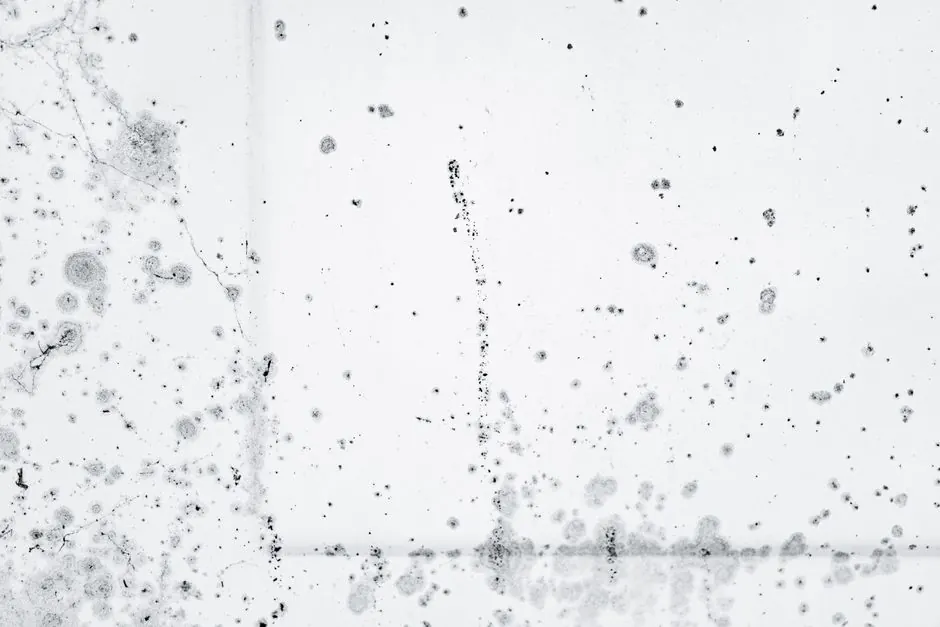
Tropical storms and hurricane flooding create severe indoor moisture crises across Central Florida every year. Saturated building materials combined with high summer temperatures create ideal breeding grounds for dangerous fungal growth inside wall cavities and subflooring.
Since 2008, our certified technicians at Orlando Rapid Restoration have managed post-storm water emergencies across Downtown Orlando, Lake Nona, Winter Park, College Park, and the Mills 50 District. Controlling ambient humidity and removing standing water immediately stops fungal spores from colonizing your living space.
The 24-Hour Mold Clock in Central Florida Homes
Mold spores exist naturally in outdoor Florida air. When floodwaters enter a structure, microscopic spores settle on damp drywall, cellulose insulation, and wooden studs. In typical Orlando weather, germinating hyphae anchor into porous materials in as little as 24 to 48 hours.
Delaying extraction allows fungal roots to penetrate deep into structural framing. Once mold roots enter porous wood or paper backing, standard surface cleaning will not eliminate the infestation. Rapid structural drying is necessary to halt spore reproduction before visible dark colonies spread across interior surfaces.
Critical Extraction and Humidity Control Steps
Stopping fungal growth requires removing bulk liquid and extracting airborne moisture simultaneously. Household box fans merely recirculate damp air and blow active fungal spores into unaffected rooms.
First, run commercial water extractors to pull standing water out of subflooring and carpets. Next, install low-grain refrigerant dehumidifiers to bring indoor relative humidity below 50 percent. Keeping relative humidity under 50 percent starves mold spores of the atmospheric moisture required for growth.
When hurricane winds damage roofs or blow in windows, professional storm damage restoration stabilizes the property shell, preventing rainfall from undoing drying progress.
What to Keep and What to Tear Out After Flood Intrusion
Floodwater originating from street runoff or storm drains carries bacteria, silt, and chemical contaminants. Porous materials contaminated by Category 3 floodwaters must be removed safely to prevent toxic mold development.
- Drywall and Insulation: Cut drywall at least 12 to 24 inches above the highest water mark and discard wet fiberglass insulation completely.
- Carpet and Padding: Saturated carpet padding acts like a wet sponge and must be stripped out immediately.
- Baseboards and Trim: Remove wooden baseboards to release trapped water behind wall plates.
- Hard Structural Framing: Clean solid wood studs with EPA-registered antimicrobial fungicides and dry thoroughly under controlled air movement.
Executing a clean wall cutout allows fresh air to circulate inside stud bays, drying hidden framing before new drywall installation begins.
Common Pitfalls Orlando Homeowners Must Avoid
Using improper cleaning techniques frequently turns a manageable water loss into a costly environmental hazard. Spraying household bleach on wet drywall or plywood is a common mistake that causes long term damage.
Bleach contains mostly water. While chlorine evaporates quickly on top of drywall, water sinks deeper into porous gypsum, feeding underlying mold roots. Additionally, turning on central HVAC units while standing water remains distributes airborne spores through ductwork into every bedroom.
If you suspect hidden mold behind cabinets or under wood flooring, schedule professional mold remediation to safely isolate affected zones with negative air containment systems.
Frequently Asked Questions
How quickly does mold grow after a flood in Orlando? In Orlando heat and high humidity, mold spores germinate on wet drywall, wood, and carpet within 24 to 48 hours after water intrusion.
Can I spray bleach on wet drywall to stop mold? Bleach only cleans non-porous surfaces. On porous materials like drywall or plywood, bleach leaves behind moisture that fuels deeper fungal root growth.
What indoor humidity level stops mold growth? Indoor relative humidity must be dropped below 50 percent using LGR dehumidifiers to stop active mold spore germination.
Facing water intrusion or storm flooding in your Orlando property? Call Orlando Rapid Restoration right now at (407) 557-9924. Our IICRC-certified technicians deliver rapid 24/7 emergency response across Downtown Orlando, Lake Nona, Winter Park, College Park, and Mills 50.