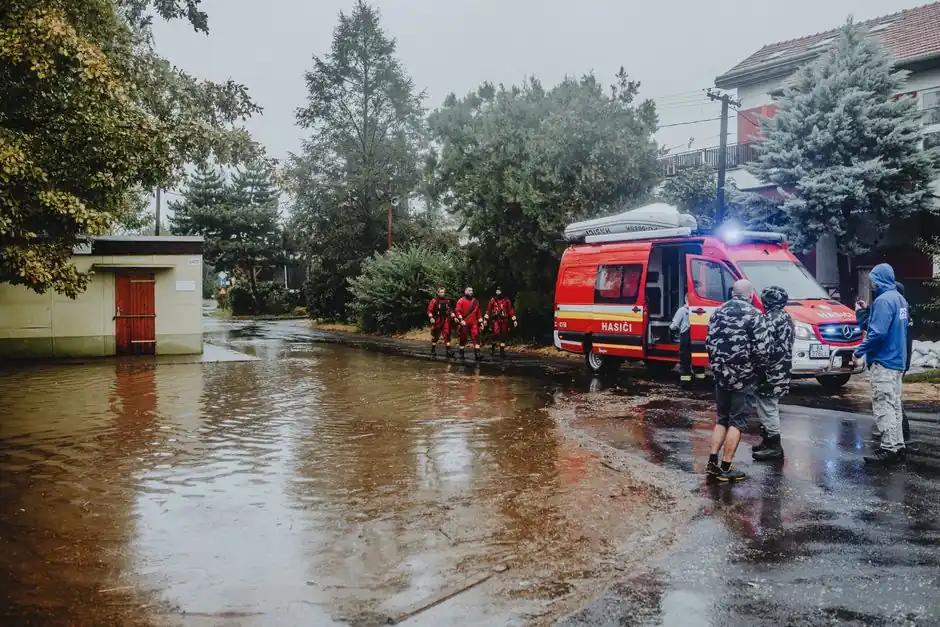
Water looks deceptively harmless when it pools across your tile or hardwood. In Florida, the source of that moisture and the exact number of hours it sits dictate whether your home contains a simple drying project or a biohazard risk.
The Institute of Inspection, Cleaning and Restoration Certification (IICRC) establishes the S500 standard used across North America. This standard divides water intrusions into three specific categories based on the level of biological or chemical contamination. Knowing which category you face helps protect your health, your family, and your insurance claim.
Unsure About Your Water Contamination Level?
Our IICRC certified field specialists provide a free on-site assessment with moisture meters.
What Is Category 1 Clean Water and How Fast Does It Spoil in Florida?
Category 1 water originates from a sanitary source. Common examples include a broken supply line to your refrigerator ice maker, an overflowing bathtub with no soap or skin cells, a burst copper pipe in your wall cavity, or fresh rainwater entering through a newly damaged window during a quick afternoon squall before contacting dirt.
Clean water poses minimal health threat to humans at the moment of release. You can walk through it without protective suits, and porous items like carpets and drywall can often be saved if dried immediately. However, Category 1 status does not last.
Central Florida heat changes the timeline dramatically. During hot months in Orlando, indoor temperatures and humidity surge the moment moisture enters an enclosed space. When clean water touches dust, drywall paper, floor adhesives, or pet dander, microorganisms feed on those organic materials. Within 24 to 48 hours, clean water degrades into contaminated Category 2 or dangerous Category 3 water. Fast response with professional emergency water extraction is essential to extract moisture before bacterial degradation begins.
Why Does Category 2 Gray Water Require Cautious Handling?
Category 2 water contains significant chemical, biological, or physical contaminants capable of causing discomfort or illness if ingested or exposed to skin. It is commonly referred to as gray water.
Frequent sources of gray water in Orlando properties include:
- Washing machine overflow with detergent and soiled laundry residues
- Dishwasher discharge lines carrying grease, soaps, and food particles
- Toilet bowl overflow containing urine without solid fecal matter
- Sump pump discharge or air conditioning condensate drain pan overflows with algae
- Water that entered as clean supply water but remained standing for 24 to 48 hours
You should never treat gray water like a routine spill. Mopping up the surface leaves moisture deep in baseboards and carpet padding. Because gray water carries active bacteria and chemical compounds, technicians must wear nitrile gloves, splash protection, and respiratory gear. Porous carpet padding saturated with gray water must almost always be discarded and replaced according to IICRC protocols.
What Makes Category 3 Black Water an Immediate Health Hazard?
Category 3 water is grossly unsanitary. It contains pathogenic agents, toxic substances, fungal spores, and heavy bacterial loads capable of causing severe illness or permanent medical injury.
Primary sources of black water damage include:
- Municipal sewer backups and toilet overflows containing solid human waste
- Rising floodwater from lakes, retention ponds, street gutters, or storm surge
- Ground surface runoff washing fertilizers, oils, and animal feces into ground floor rooms or garages
- Any water source left stagnant for longer than 48 hours in warm indoor environments
In Orlando neighborhoods near Lake Eola, the Conway Chain, or Shingle Creek, hurricane season brings localized ground flooding. Even if floodwater looks clear through your doorway, safety standards require treating all outdoor floodwater as Category 3 black water. Saturated storm drainage systems mix with municipal sewer lines, road chemicals, and lawn pesticides.
Handling black water requires full Personal Protective Equipment including biohazard suits, full face respirators, heavy boots, and containment barriers. Professional sewage cleanup includes antimicrobial disinfection, negative air pressure machines with HEPA filtration, and the removal of porous building assemblies like saturated drywall and insulation up to twelve inches above the water mark.
Dealing With Sewage or Contaminated Floodwater?
Do not touch or breathe contaminated water vapors. Our certified dispatch crews arrive fully equipped for extraction and clinical antimicrobial sanitization.
How Do Restoration Specialists Determine What Materials Can Be Saved?
The category of water dictates whether building materials can be sanitized in place or must be discarded.
Category 1 Clean Water: Drywall, hardwood flooring, subflooring, and carpeting can often be dried in place using high-velocity air movers and industrial desiccant or LGR dehumidifiers if remediation begins within the first 24 hours.
Category 2 Gray Water: Hard surface flooring and solid framing can be sanitized. Carpet padding must be removed. Carpet fibers may be professionally cleaned and disinfected depending on contamination depth. Drywall requires close moisture monitoring.
Category 3 Black Water: All porous and semi-porous items that contacted the water must be removed and safely disposed of. This includes carpet, padding, mattresses, upholstered furniture, laminate flooring, drywall, and fiberglass insulation. Only non-porous structural elements like concrete slabs and solid structural studs can be salvaged after intensive pressure washing and hospital-grade biocidal treatments.
Frequently Asked Questions About Water Damage Categories
What is Category 1 vs Category 2 vs Category 3 water damage?
Category 1 water comes from sanitary sources like clean supply lines or sink overflows before contacting contaminants. Category 2 gray water contains chemical or biological discharge from dishwashers or washing machines. Category 3 black water carries harmful pathogens, sewage, or outdoor storm floodwater that presents immediate health hazards to building occupants.
Can clean water damage turn into black water damage?
Yes. Category 1 clean water degrades quickly when trapped in warm, humid Orlando homes. Within twenty-four to forty-eight hours, ambient heat and organic building materials like drywall accelerate microbial growth, turning stagnant clean water into Category 2 gray water and eventually dangerous Category 3 black water carrying active bacterial colonies.
Is floodwater always considered contaminated?
Yes. Under IICRC standards, any outdoor floodwater entering an Orlando home from rising lakes, street runoff, or hurricane storm surge is classified as Category 3 black water. Even when floodwater appears clear, it carries road chemicals, fertilizer runoff, animal waste, and dangerous bacteria from saturated municipal drainage systems.
Do I need protective equipment for gray water cleanup?
Yes. Category 2 gray water contains soaps, skin cells, residues, and dissolved contaminants that irritate skin and lungs. Handling gray water safely requires nitrile gloves, eye protection, and N95 respirators. Unprotected contact increases infection risks, especially if the water has started incubating bacteria inside damp subfloors or drywall cavities.
Find Us in Downtown Orlando
Orlando Rapid Restoration
Emergency Water, Flood, and Sewage Extraction Dispatch Headquarters
Address: 100 N Orange Ave, Orlando, FL 32801
Phone: (407) 557-9924
Hours: Open 24/7 for Emergency Field Response
Experience: Serving Central Florida Since 2008